Last month SPN launched an editorial partnership with Technical.ly, a Philadelphia-based news organization that covers the innovation economy across the Mid-Atlantic region. Similar to SPN, the outlet shares the belief that innovation can happen anywhere — not just in places like Silicon Valley, Boston or Austin. And further, that telling stories about the innovators from lesser-known hubs has the potential to bolster economic development and resources in those areas.
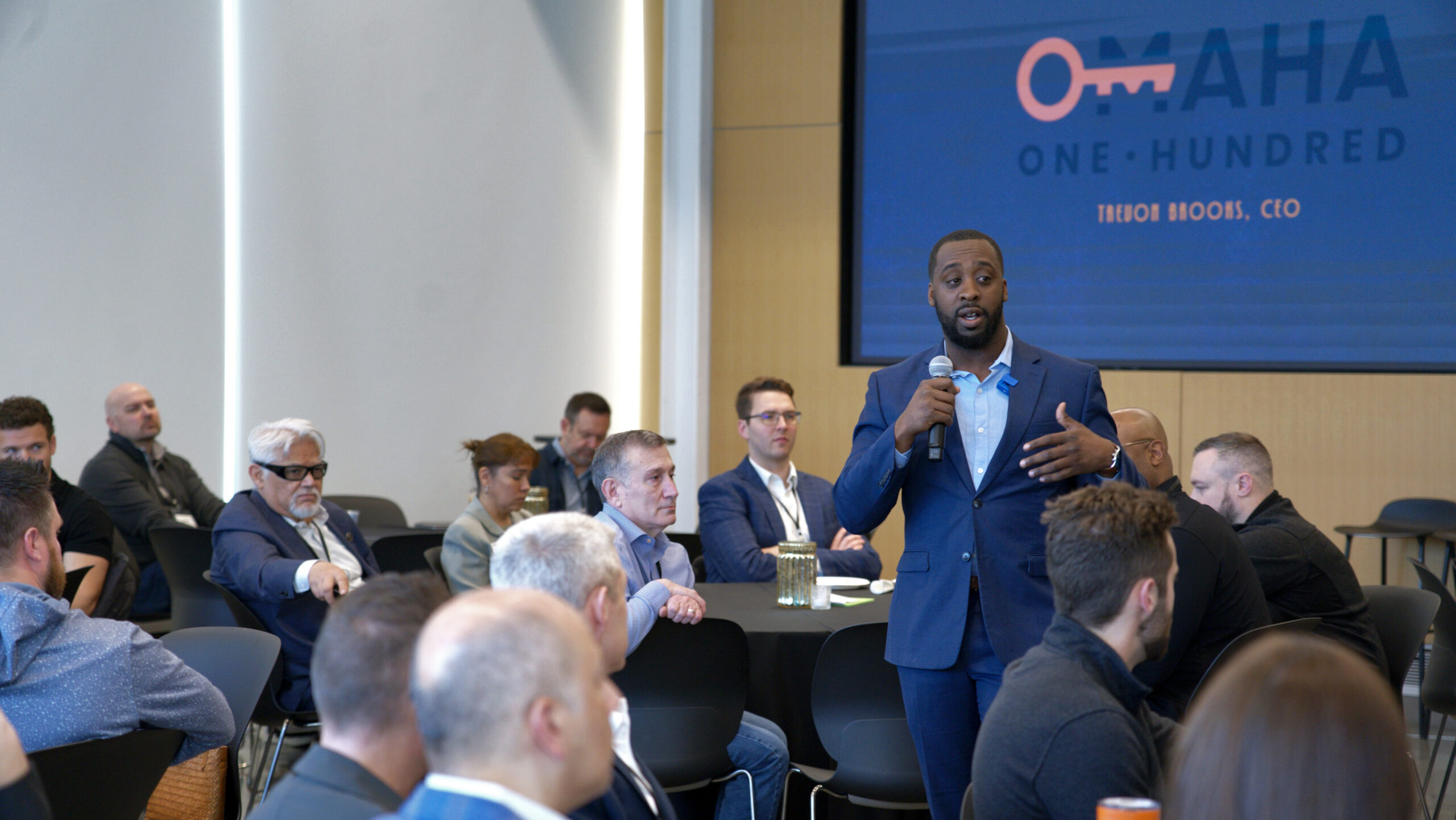
I was invited to speak on a panel about ecosystem storytelling at the Builders Conference by Technical.ly during Philly Tech Week. The following are takeaways from the event that can be applied right here in the Silicon Prairie.
1. Access matters more than place
For the next generation of entrepreneurs access matters more than geography. A single person with an internet connection and the right tools can now build a billion-dollar company. In today’s digital economy talent is everywhere — opportunity isn’t. The rise of generative AI is widening the gap between “the haves and have-nones”.
At the same time, AI can lower barriers to entry and accelerate innovation for those who can harness it. While past generations of tech founders needed to be in places like Silicon Valley to succeed, today’s entrepreneurs are proving that place is much less important when it comes to building a company.
But many rural communities still lack broadband infrastructure. Internet access should be considered a utility, not a luxury. Of the thousand reasons a startup might fail, not having reliable internet shouldn’t be one of them. Ensuring broadband access is a policy choice, and one that shapes the future of entrepreneurship.
Making the innovation economy more inclusive requires investing in more than just infrastructure. Apprenticeship models — common in the trades — can help people without traditional credentials launch tech careers. However, these models need wraparound services like housing, childcare and mental health support to truly work. It’s not just about filling jobs. It’s about building sustainable careers. With the right support those following an unconventional path to tech can drive the economy forward.
2. Innovation hubs need to be sustainable
Innovation hubs must be built with sustainability at the center in order to succeed in the long term. The chance of long-term success increases with patient investment, a leadership base with diverse skills, and a widely-recognized regional economic strength.
Sustainability isn’t just financial, it’s cultural. Early-stage founders need to be valued as whole people, not just for their ARR or MRR. At the beginning of their journey founders need capital, and they need people who genuinely care about them and their vision. Relationships need to be built on empathy, not just transactions.
Empathy is the foundation of those relationships, and in many ways smaller cities and rural areas have an edge. Emerging regions have the opportunity to build deeper, more human connections that fuel trust, resilience and growth compared to hyper-competitive environments like San Francisco or New York City.
Sustainable innovation hubs also need to provide real pathways for founders to build and scale. That includes access to capital, talent, mentorship and supportive policy, but it also means making space for people to tell their own stories. Founders and regions need to lean into telling their stories as insiders instead of allowing the narrative to be shaped by others from the outside.
Putting more humanity into how we build companies and communities is key to creating ecosystems that last.
3. Inclusive economic development centers humans
Economic development should start and end with people. Data, productivity and profit margins are relevant factors, and so are human agency, dignity and quality of life. True innovation supports the whole person and builds systems that empower communities to thrive.
At the Federal Reserve Bank of Philadelphia, when researchers asked people what they wanted, the answer was simple: better jobs. That’s a clear call to action for economic and workforce development leaders to align their efforts. Innovation and economic development can’t happen in a silo. The people who are meant to be served must be invited to contribute and be at the center of the ecosystem — not an afterthought.
Early exposure to possibility, followed by relevant training and support services that meet people where they are is the starting point. Professional development, in addition to technical skills, is essential to helping people succeed in real-world environments. Coding bootcamps alone won’t prepare someone for a modern workplace. Individuals need assistance navigating office dynamics, team collaboration and long-term career growth.
Every company is a tech company now and workers must be equipped to adapt and lead. We can’t afford to train people for jobs that AI will soon eliminate. As AI reshapes the future of work, it accelerates the need for policy and upskilling.
4. Measuring economic productivity vs. a job title
It’s time to shift the way we talk about jobs. Traditional titles no longer capture the full picture of how people contribute to the economy. Measuring economic productivity and recognizing the multiple ways people generate income and value in their communities, rather than assigning labels, is a more accurate indicator.
What about a person working full time while building a startup on the side — are they a worker or an entrepreneur? They’re both, and that dual identity reflects a growing reality across the workforce. Solopreneurship is on the rise and many people are navigating hybrid paths that blend employment, freelancing and business ownership. We need to think differently about what it takes to survive and thrive in today’s economy instead of boxing people into a single title.
This mindset shift also means valuing credentials and potential alongside transferable skills and lived experience. What someone brings to the table can’t always be captured in a resume. Lived experience is an asset, especially in solving real-world problems and serving underrepresented markets.
We need to start asking not just “What do you do for work?” but “What do you do for income?” The answer might involve caregiving, gig work, consulting or building a business — all legitimate forms of economic participation. Supporting this kind of flexible, self-directed career path requires sustainable partnerships and community-based infrastructure. That includes creating more spaces for people to get involved early in their careers.
Many capable people don’t know what resources exist in their community or how to access them. By opening doors earlier and broadening our definitions of work, we can build a more inclusive and accurate picture of economic activity. That could ensure that more people are able to participate meaningfully in the ways they desire.
5. Collaboration over competition
If you’re trying to build something alone, you’re doing it wrong. No individual is an expert in everything. The myth of the lone genius is outdated. Collaboration is essential in today’s interconnected economy. Real impact comes from networks, shared knowledge and a willingness to work together toward a common goal.
Information hoarding is a barrier to collaborative success. Silos built by outdated systems and hierarchies only hinder progress. Oftentimes, individuals or communities are excluded from critical conversations because systems haven’t been designed to include them, not because they don’t deserve a seat at the table. Collaboration and network management aren’t skills most people are taught, but they’re vital for long-term success.
This shift requires rethinking how we train leaders and entrepreneurs. That means developing education and models that teach people how to build intentional relationships, create inclusive spaces and manage collaboration. Inevitably, the process will be messy at times. But creating a space designed around clear values and goals can increase the odds that collaboration leads to better outcomes than individual effort. High-functioning teams thrive with high communication and a shared sense of purpose.
Advanced network-building is rooted in human-centered design. That’s accomplished by listening to people, designing around their needs and being prepared to roll up your sleeves and contribute. When we recognize the power of community and shared expertise, we unlock the full potential of what innovation ecosystems can become.