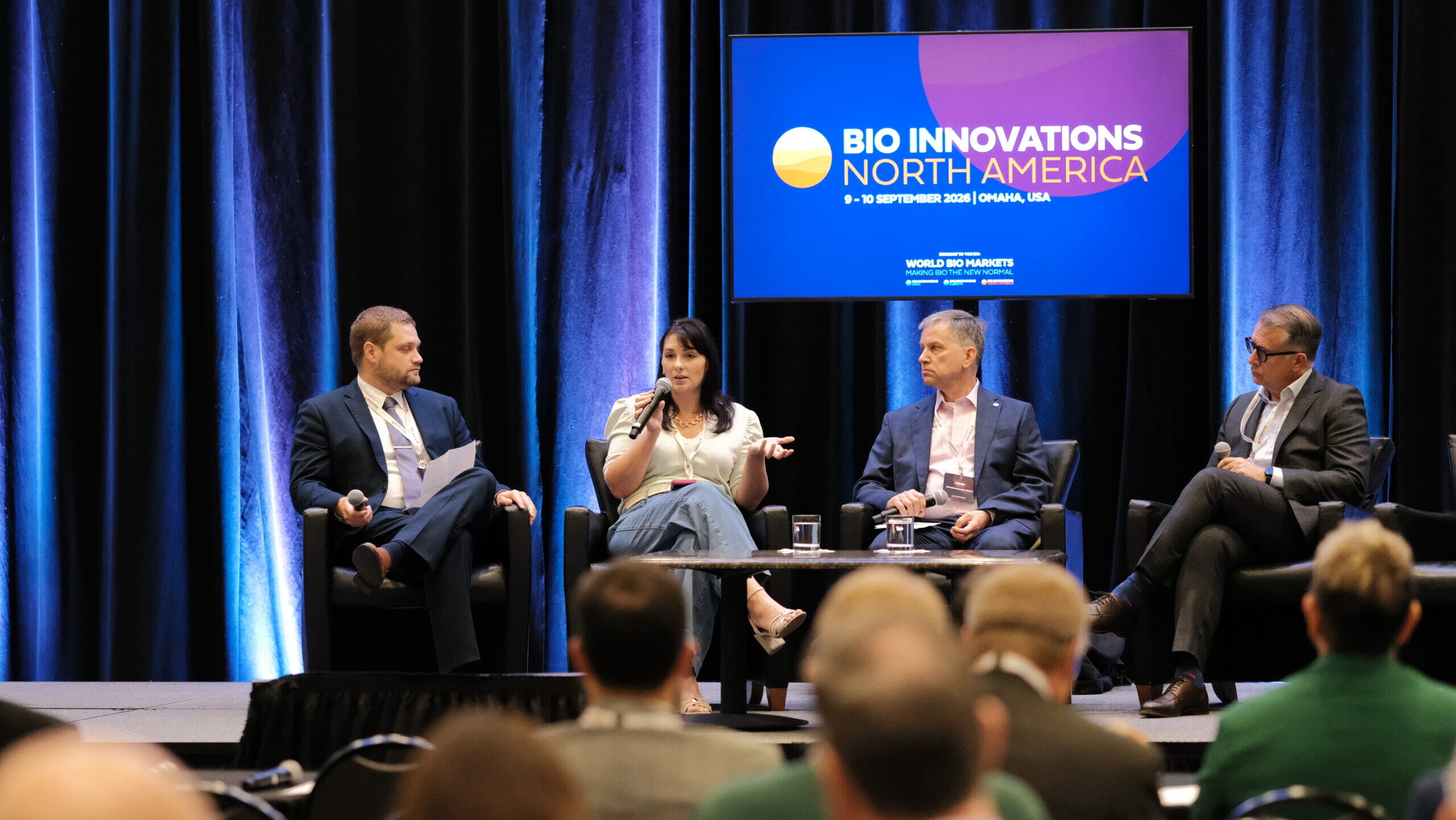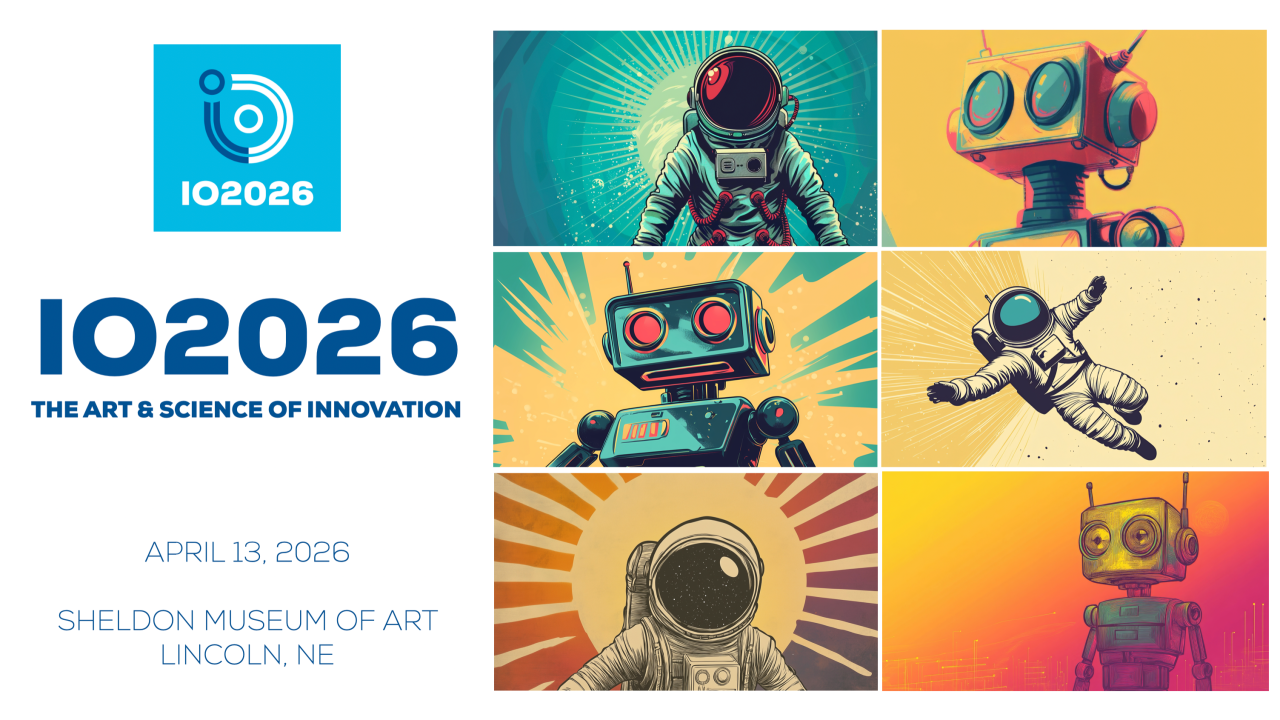
With the IO2026 Summit coming up on April 13 in Lincoln, the conference, held once every two years, is promising its signature brand of networking and professional development by bringing together startups and corporate executives.
Early bird tickets are still available, starting at $150 for startups and nonprofits. The promo code SPN50 can be used for $50 off any ticket.
Speakers contacted by Silicon Prairie News said they will focus on how to safely and effectively leverage artificial intelligence as they address the summit’s theme of “the art and science of innovation.”
What ‘makes us human is very valuable and very fragile’
Jacob Ward is a longtime tech journalist and author of “The Loop: How AI Is Creating a World Without Choices and How to Fight Back.” He worries that widespread use of AI can erode good decision making for businesses and automate away fundamental human aspects of society.
“If you simply do what these (AI) companies are trying to convince you they can do — which is to replace your youngest and least experienced workers — you’re going to very quickly discover that you have, in a year or two, deprived your organization” of experienced and trained employees, Ward said.
But there is a balance to strike. AI can also enable more flexibility for small and remote-work teams to create innovative products. That’s why Ward is excited to speak at IO2026.
Attendees are not just thinking “about the bottom line, not just about how to do the most possible work with the fewest possible workers,” he said. “They are thinking about the frontiers of what does define us as human and how we can amplify those qualities rather than amplifying our most backwards and instinctive qualities.”
‘This is a time of opportunity’
“We definitely live in an age of uncertainty, ambiguity, stress, the unknown,” said Robyn Bolton, the founder of Mile Zero, an innovation consultancy. “AI is everywhere, so understandably, a lot of people are asking what (that) means.”
Bolton doesn’t have any good answers. But at IO2026, she wants to showcase that startups and companies alike need to seize the moment rather than being afraid of it. “We need to start experimenting and learning and creating (with AI) so that we aren’t sucked into a new world that somebody else is creating,” she said.
“As scary as it is to set aside the … things that seem tried and true and reliable, (this) is actually the exact moment when we need to,” Bolton said. “Sometimes, when you’re playing on the jungle gym — if we all remember back to our youth — you sometimes have to let go of the bar in order to grasp the next one. That’s the kind of moment we’re in, and there are ways to do it that won’t feel like free fall.”
‘We haven’t seen a lot of successful AI implementations’
David Bland is the founder of strategic consultancy Precoil, where he works with both startups and established companies. Both deal with uncertainty — startups with getting traction and brand identity and big companies with betting on a new product or idea.
Bland sees a kind of misuse of AI going on with his clients. “I see it being used for ideation,” he said. “I don’t think that’s the real problem to solve in either startups or big companies. I don’t see them lacking ideas. It becomes, ‘How do you test those ideas? How do you select which ideas you’re going to commercialize?’”
As a result, AI is creating a lot of noise, but there are few actionable applications, especially for progress on business decisions. “How do we use it to de-risk what we’re working on and help us make more informed investment decisions?” Bland said.
‘Human ingenuity actually matters more’
Julie Ann Crommett, founder of storytelling and strategy firm Collective Moxie, wants IO2026 attendees to understand that in the age of AI, genuine storytelling is more important than ever.
“Part of that is because generative AI is trained to go to the mean,” Crommett said. “But great storytelling, great creativity, the connectivity between human beings actually often happens in the outlier.”
Storytelling may not be top of mind for a summit focused on innovation. But Crommett wants to remind attendees that it is essential for startups and corporations to find audiences, customers and partners.
And in a time of information overload — with disinformation, AI slop and genuine stories sometimes hard to distinguish from each other — critical thinking about communication will make or break companies.
“That’s the connective tissue between storytelling and technology,” Crommett said. “And why we need to be having these larger philosophical conversations around, ‘What does it mean to be an ethical storyteller?’ because it’s actually connected to ‘What does it mean to be an ethical technologist?’”
Lev Gringauz is a Report for America corps member who writes about corporate innovation and workforce development for Silicon Prairie News.