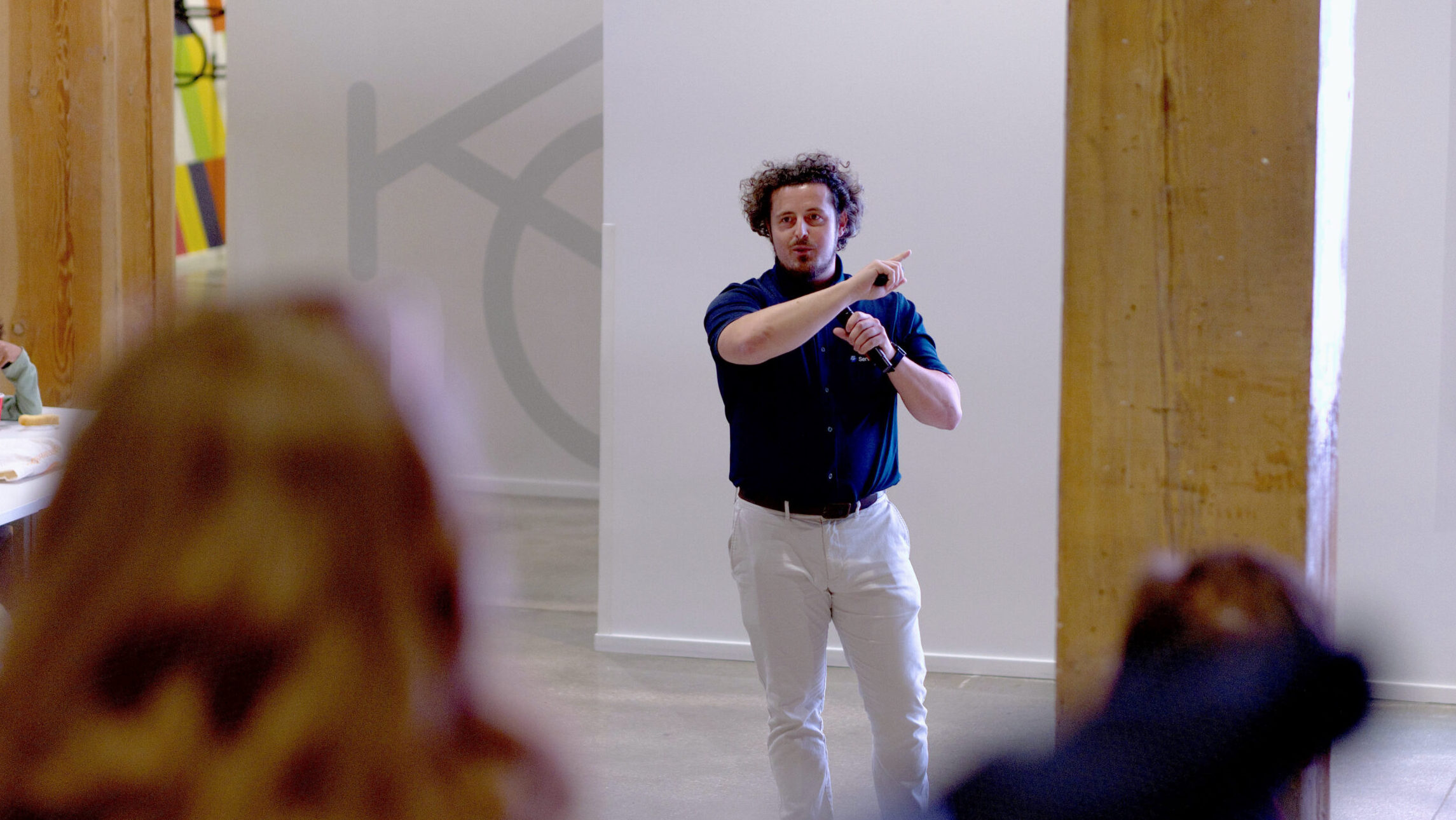
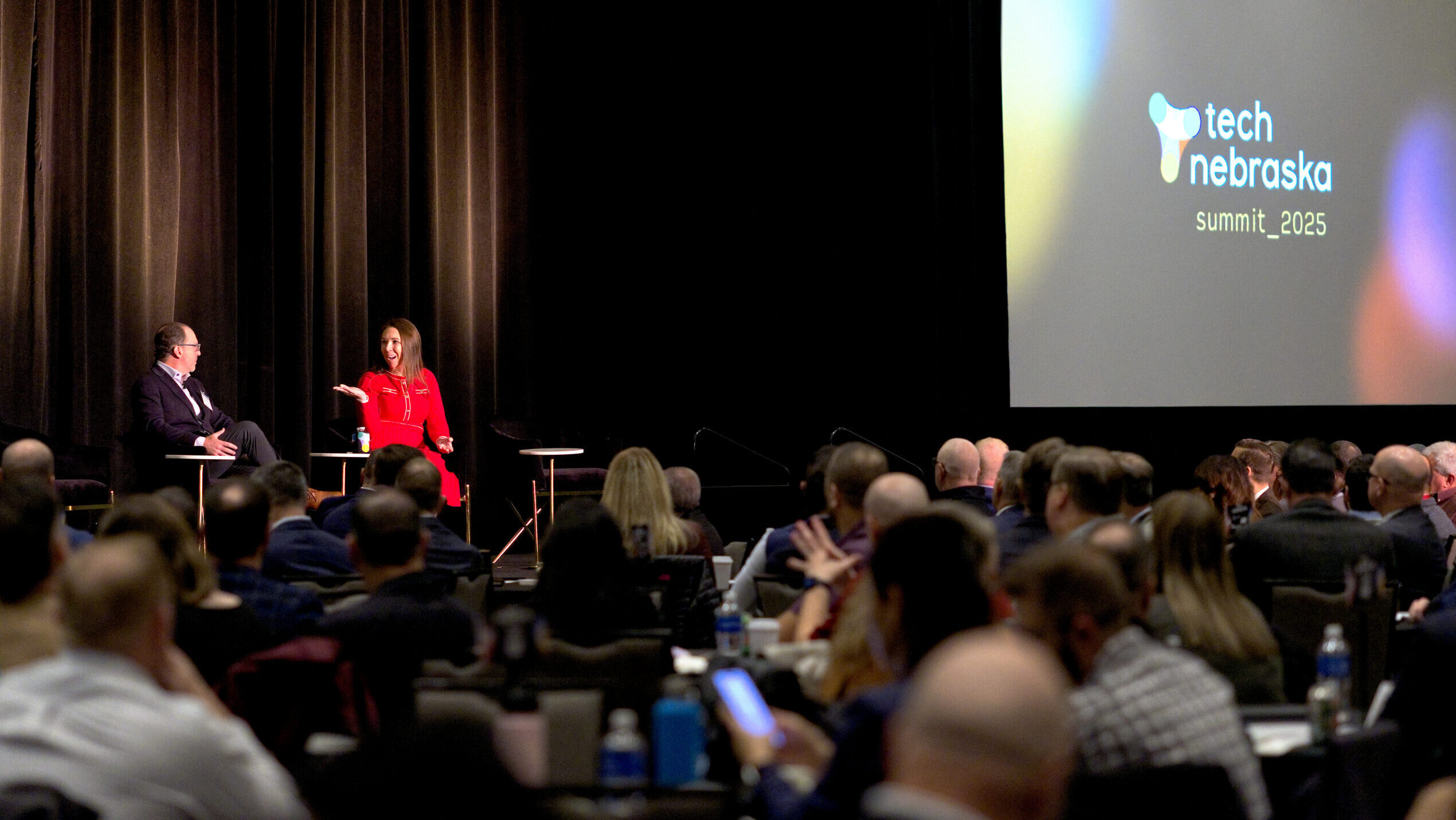
Around 300 people gathered at the Sheldon Museum of Art in Lincoln on April 13 for the IO2026 Summit. The event takes place every two years, with this year’s theme being “the art and science of innovation”.
Keep reading to see the day’s highlights and quotes from IO2026 presenters.
Test Before You Invest
David Bland, founder of Precoil and lead author of “Testing Business Ideas”
I do worry a little bit that we’re building a lot of stuff before checking to see if the problem exists. I don’t think we’ve seen all the fallout from that yet… It’s coming because we’re going fast, fast, fast. Speed’s increasing, but we’re not seeing impact.

What Would You Do If You Were Certain?
Robyn Bolton, founder of MileZero
What I see most in corporate and in startups is that we’re choosing to either freeze or to follow. We’re not creating … when we’re faced with uncertainty. We want safety. And when we want safety, it’s safest to be reactive — to just stop.
How can you carve out some certainty in this incredibly uncertain world? [With these] three questions. Who am I? What do we do? And how do we move forward?

Innovation in Shape: Empowering Visionary Product Teams
Ted Ullrich, co-founder and inventor at Tomorrow Lab
I also believe that physical products are just greater than digital-only solutions. We’re physical beings. I love software and it helps me. But it cannot solve issues with health, mobility, food, climate, clothing, on and on.
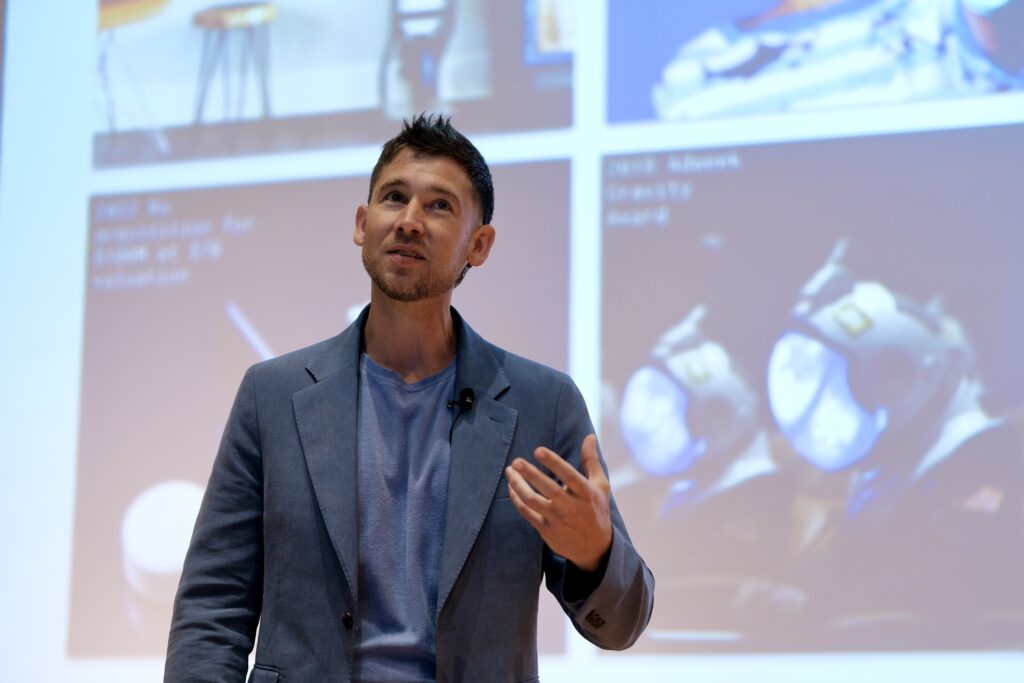
Faster at What? Why Customer Obsession is the Real AI Strategy
Dan Hassenplug, VP of design at Hudl
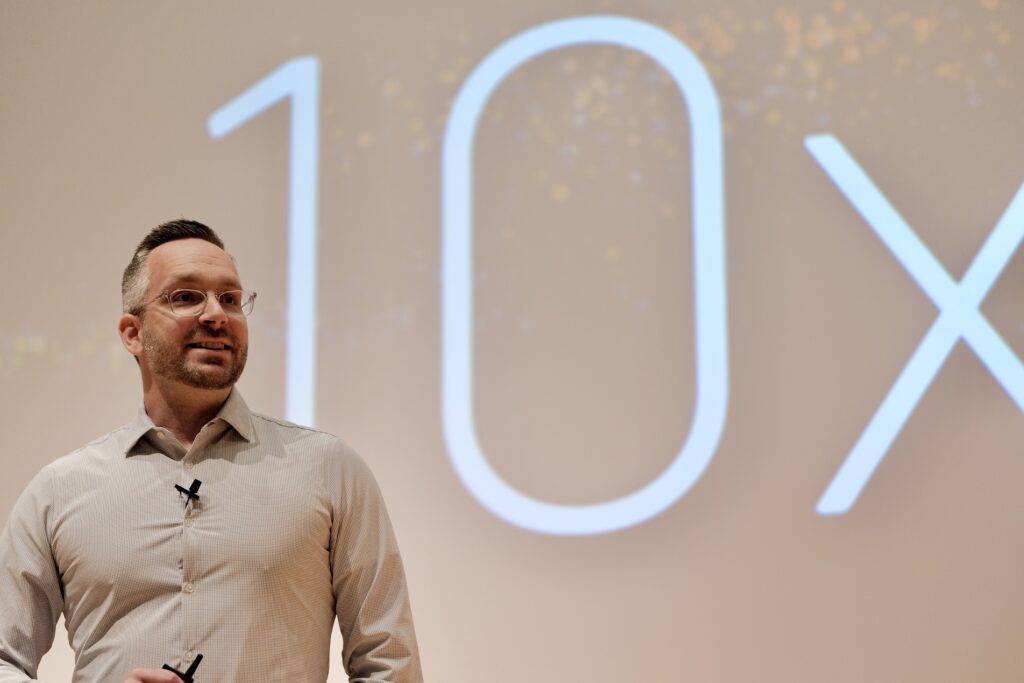
We’re 10x faster at creating squirrels jumping off of cliffs on unicycles, faster at creating little pro tech websites for your idea and your basement game tournaments. But what do you (want to) get 10x faster at, as you think about your role in your corporate environment or your startup or as a student?
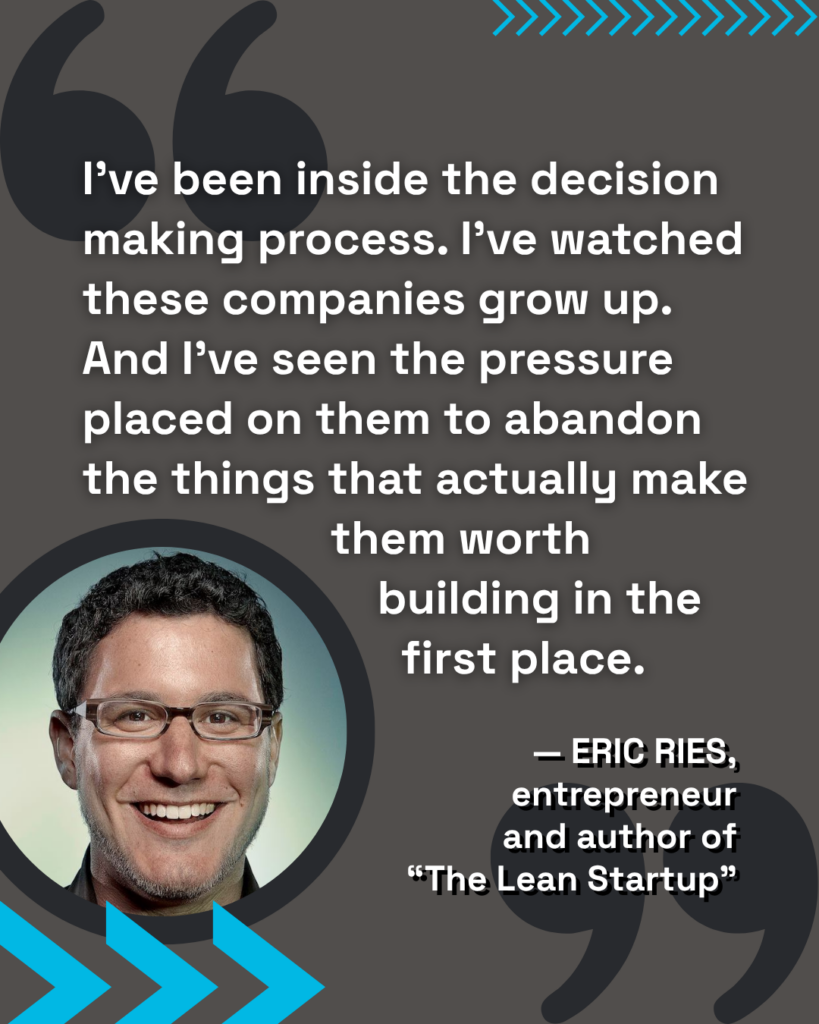
Becoming Incorruptible: Virtual Fireside Chat with Eric Ries
Eric Ries, entrepreneur and author of “The Lean Startup”
Morning Gallery of Innovation Presentations
Set Your Sites, Grapple, Rheam Medical, Alpaca and ViaSight
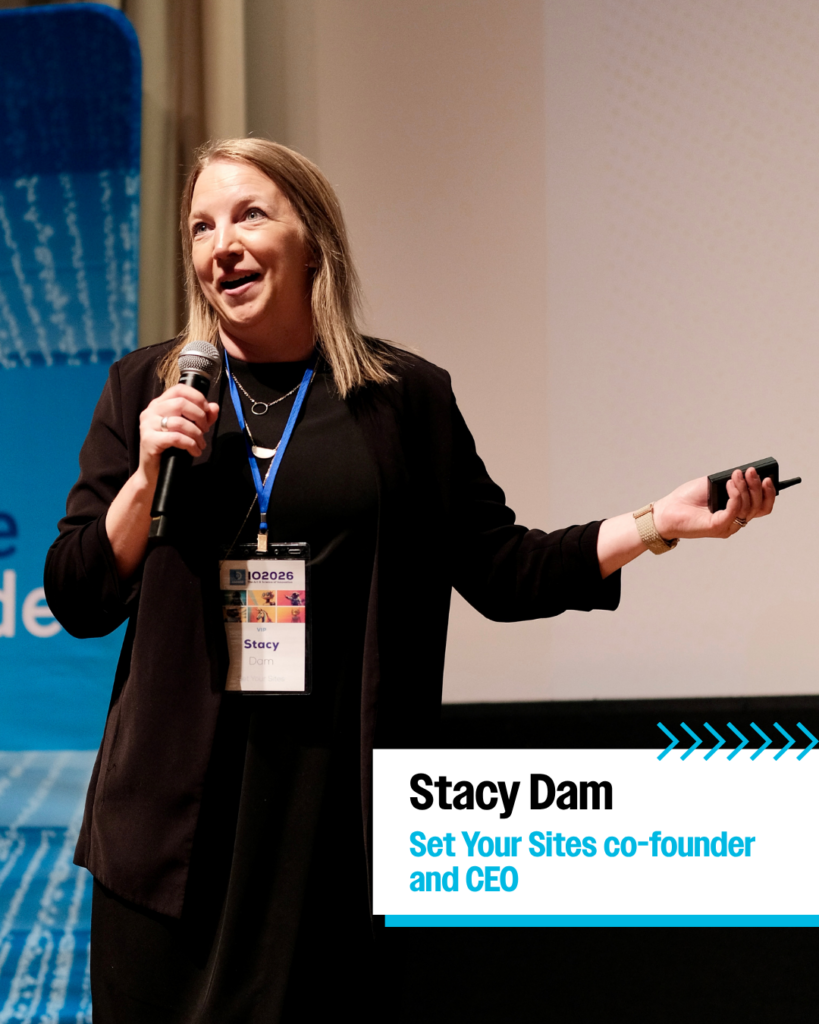

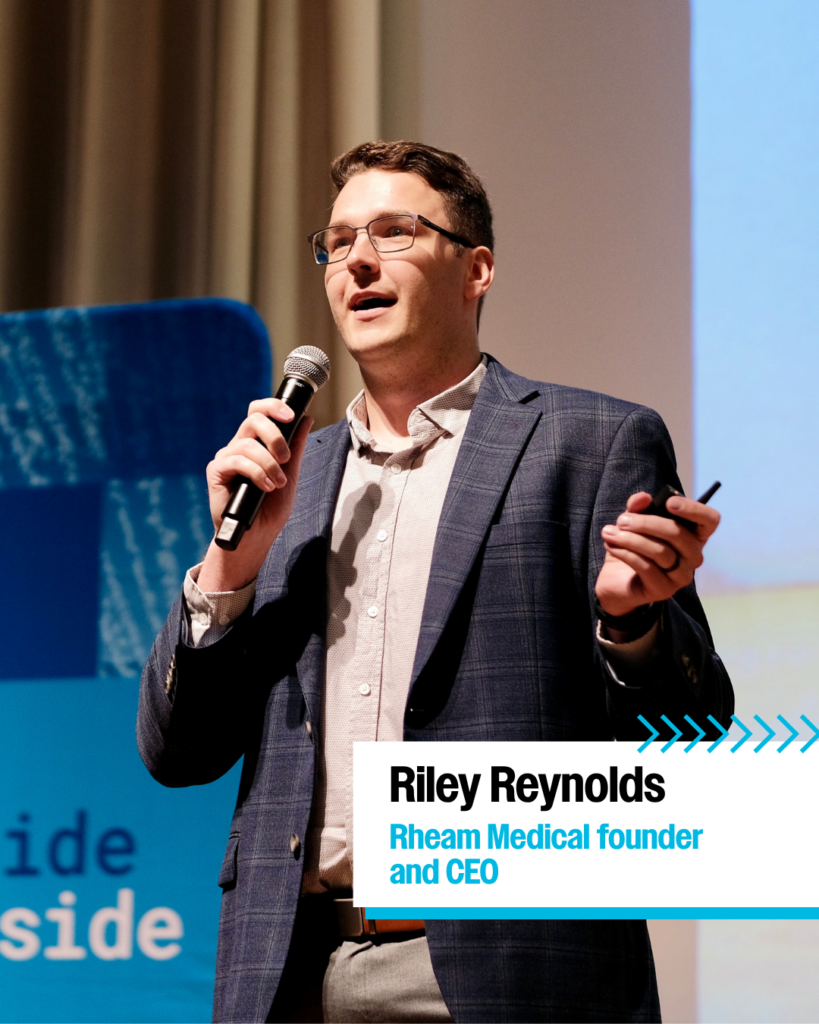

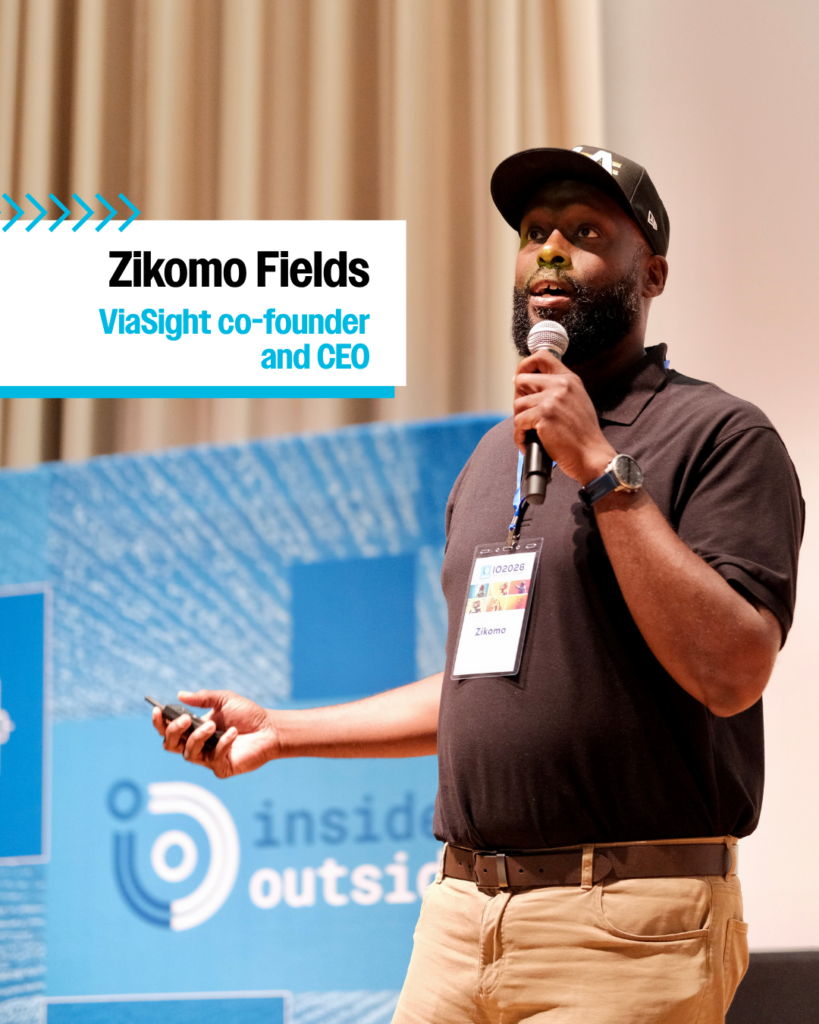
See the full virtual Gallery of Innovation here.
Book signing with David Bland at lunch

The Atomic Unit of Innovation
Elliott Parker, CEO of Alloy Partners
When I say the atomic unit of innovation, I’m not talking about an idea or a team. I’m talking about something very specific. I’m talking about an entrepreneur — a specific type of person operating in a specific type of structure. That is what drives transformational business model innovation most of the time. And those atomic units are that individual inside a startup.

Shaping the Future Through Storytelling
Julie Ann Crommett, founder of Collective Moxie
I believe everybody has at least one great story in them in their lifetime, if not more. And that can either lead to creative innovation or the lack thereof. And that will cycle right back into the media and the stories that we’re telling.
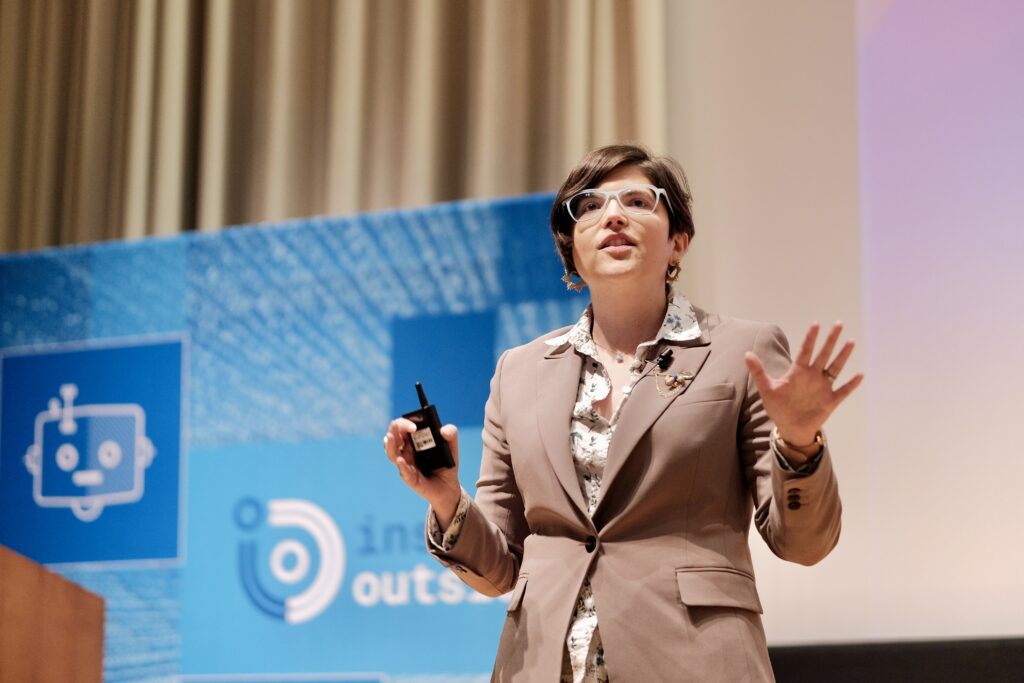
Afternoon Gallery of Innovation Presentations
DesignMap, Maptician, Short Answer, Birds Eye Robotics, LEAP Manufacturing
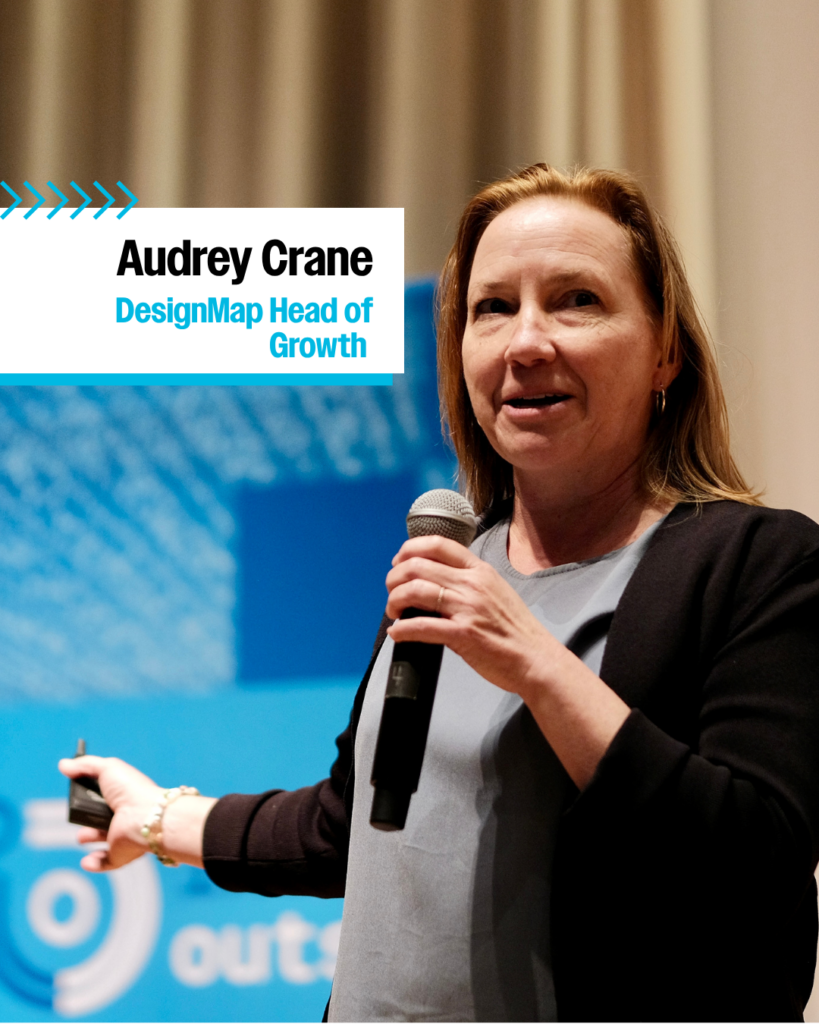
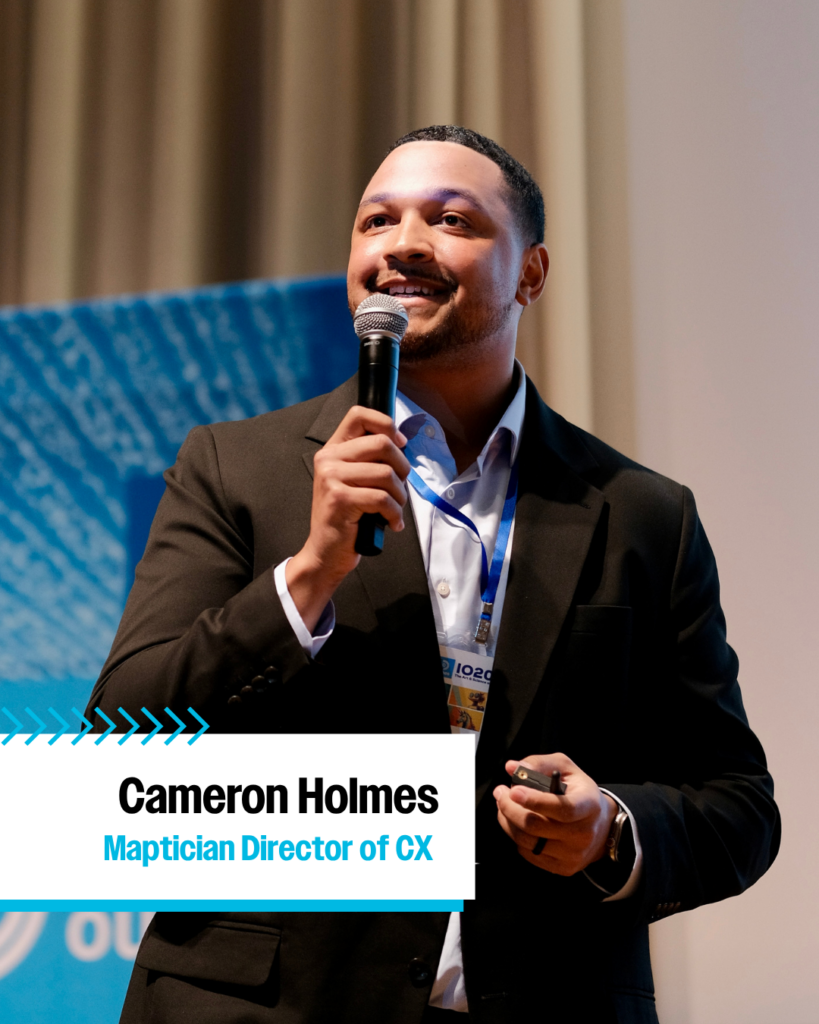
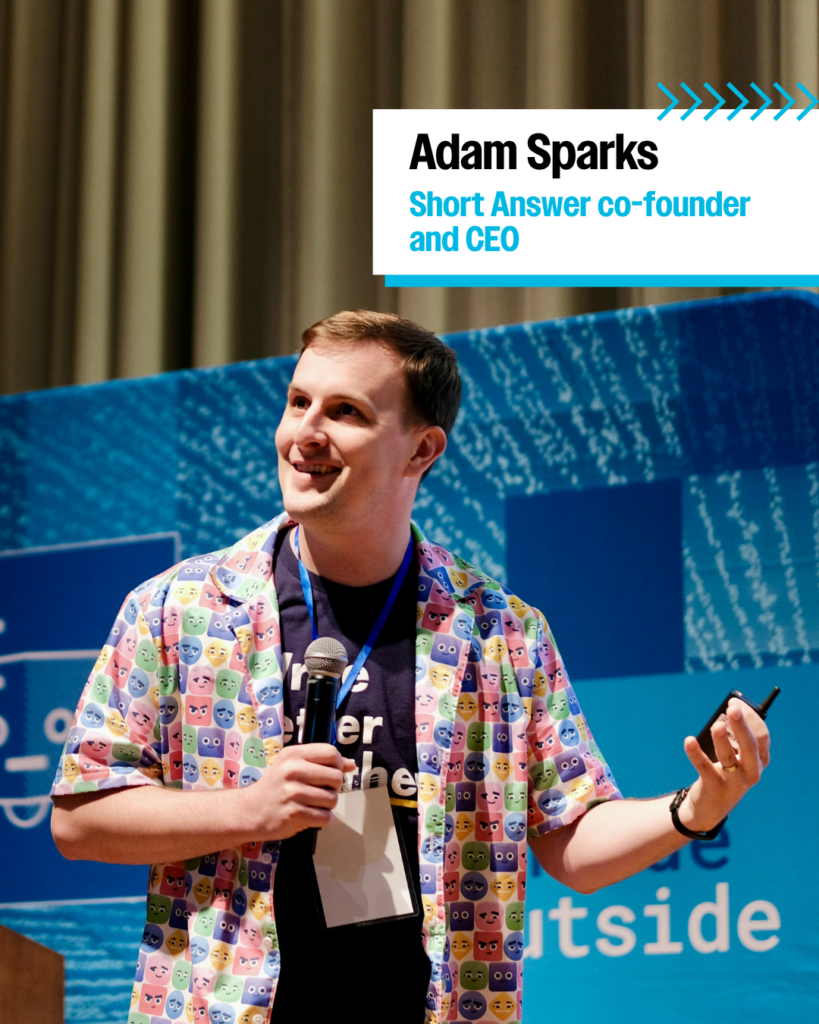

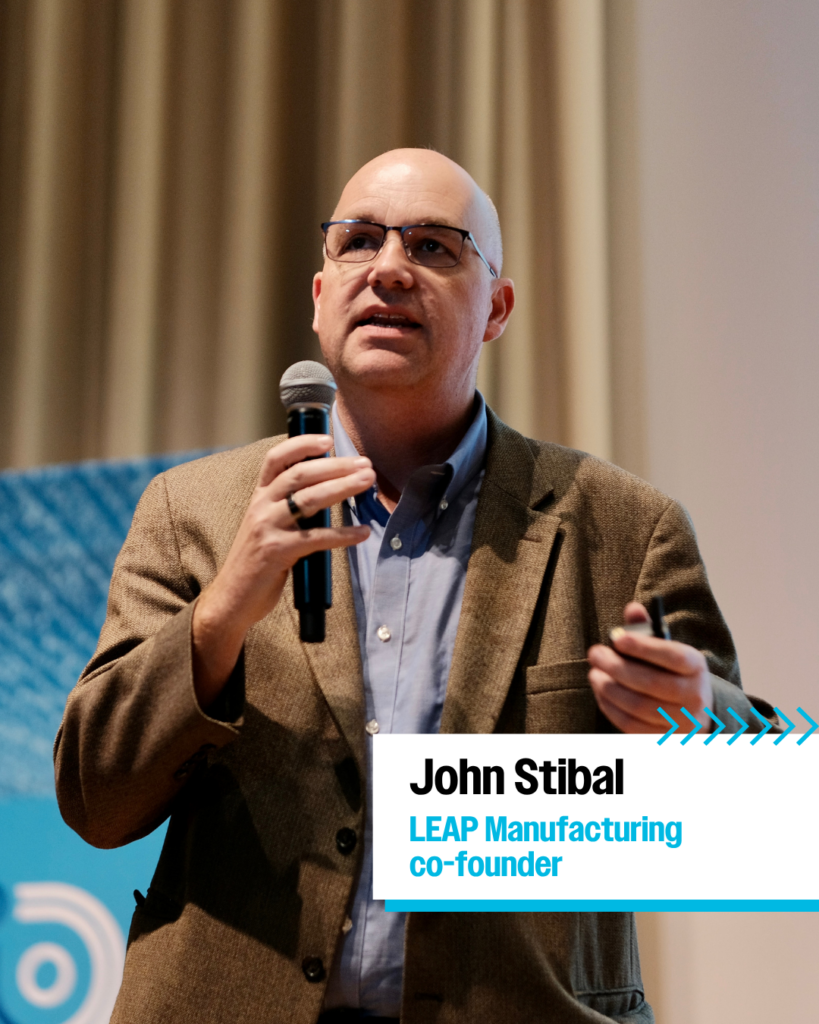
See the full virtual Gallery of Innovation here.
The Innovation Economy in Nebraska
Josie Schafer, director of the Center for Public Affairs Research (CPAR) at UNO
Science and energy engineering, architecture and engineering (degrees) are things that we don’t have a ton of. We are actually producing the second lowest in the country of folks with these degrees. We’re pretty much in the middle for people with bachelor’s degrees. So folks are going to college, but they’re not majoring in science and engineering. And this is a group of people that are going to do R&D, going to go for patents — that are going to make these economic decisions about growing firms and investing in entrepreneurship and starting new things.

How to Predict the Future
Tristan Kromer, founder and CEO at Kromatic
I am still an advocate of running one experiment per week. It doesn’t matter if you’re B2B, B2C, whatever. You should be running experiments. You should be talking to your customers, you should be running A/B tests, but at the end of the day … You have to be able to convert that knowledge that you’re getting from the customers into a prediction of the future about what revenue will generate or what impact you will have.

Earning the Room: The Relational Art of Innovation
Erin Stadler, COO at Boomtown Innovation
The art of innovation is the human. It’s the relational piece, right? It’s creating the capacity to create a condition of practice where you can start creating rooms where people feel safe enough, trusted enough, creative enough to actually bring an innovation forward.

AI: The Potential & the Peril
Jacob Ward, tech journalist and author of “The Loop: How AI Is Creating a World Without Choices and How to Fight Back”
(AI) takes the act of creativity and creates an incredibly convincing simulation of it that is satisfying … but it isn’t fundamentally creativity. Yet it is sold as such. And here’s why that is a problem. Because what we know from 50 years of behavioral science — and what we’re increasingly starting to learn from the use of LLMs — is that we give up our agency, our creativity, our capacity to think about this stuff like humans.