
In a recent LinkedIn report titled “LinkedIn Cities on the Rise 2025: The 25 fastest-growing U.S. metros for jobs and new talent,” the Omaha metro area ranked 10th in the nation. The latest analysis continues the trend of Omaha and Lincoln topping national rankings of attractive cities fulfilling the needs of the current workforce.
According to LinkedIn, its inaugural Cities on the Rise report resulted from analyzing LinkedIn’s labor market data on where LinkedIn members were moving, as well as data on year-over-year growth in job openings and hirings by location. The research focused specifically on U.S. metropolitan areas with less than 2.5 million LinkedIn members. You can read an explanation on the methodology here.
Justin Pinkerman, a spokesman for the Nebraska Department of Economic Development, supported the findings, highlighting in an email to SPN additional rankings compiled recently by other organizations and companies. These included Simply Business ranking Nebraska 10th among states where new businesses are likely to succeed and U.S. News and World Report ranking Nebraska fifth for the overall best states in the country in criteria such as infrastructure and education.
“Omaha and Lincoln are affordable, provide tremendous quality of life (including parks, entertainment, museums and more), and are great cities for launching careers and raising families,” Pinkerman said.
Featured in a SPN article earlier this month, a market study by CoworkingCafe placed Omaha third in the nation for work-life balance. It also placed Lincoln sixth for work-life balance and third for mental health.
These studies by LinkedIn and CoworkingCafe attributed Omaha’s and Lincoln’s statuses to such characteristics as low costs of living, flexible work environments and access to both career and recreational opportunities.
Cities of stability, flexibility and fun
Andrew Seaman, LinkedIn News’ senior editor-at-large for jobs and career development, said in an email to SPN that the goal behind the LinkedIn report was to provide current job seekers a source listing the best places with growing economic opportunities. He said the LinkedIn News team behind the study made sure to bring attention to cities that are “often overlooked.”
“Workers today are looking at much more than salary when considering a new role or a potential move,” Seaman said. “Quality of life is becoming increasingly more central to their decisions.”
Seaman said the current workforce is interested in factors such as affordable living, career progression and supportive environments for having families and building a sense of community.
According to CoworkingCafe, Omaha has a median household income of around $73,000, and Lincoln has a median household income of around $70,000. Both cities demonstrate average commute times of less than 20 minutes, while 13.6% of Omaha’s workforce works remotely through telecommunication in comparison to 10% of Lincoln’s.

On top of a sense of financial stability and workplace flexibility, Midwestern cities such as Omaha and Lincoln rank highly for their “lifestyle infrastructure,” CoworkingCafe said. The study showed Omahans experience 13 recreational amenities per 10,000 residents and 20.9 acres of green space per 1,000 residents. Lincolnites experience 14 recreational amenities per 10,000 residents and 13.4 acres of green space per 1,000 residents.
LinkedIn’s report similarly showcased some “local hotspots” of each ranked city, such as downtown shopping and entertainment in Grand Rapids, Michigan, to plentiful parks and campgrounds in Boise, Idaho. Omaha specifically received recognition for activities surrounding its universities and bars.
“By investing in cultural authenticity, work-life balance and adaptable economic systems, smaller metros are proving they can attract top employers and talent,” Seaman said. “It’s about creating spaces where people feel supported in their careers and lives, making thoughtful urban planning a powerful tool for long-term competitiveness.”
Impactful industries and universities
Seaman said the ranked cities displayed “hiring momentum” in high-growth industries such as tech, manufacturing and health care. For Omaha, top industries that were hiring included financial services, professional services and health care.
“Health care and life sciences are anchoring economic growth, which, combined with job stability, attract employers and professionals,” Seaman said.
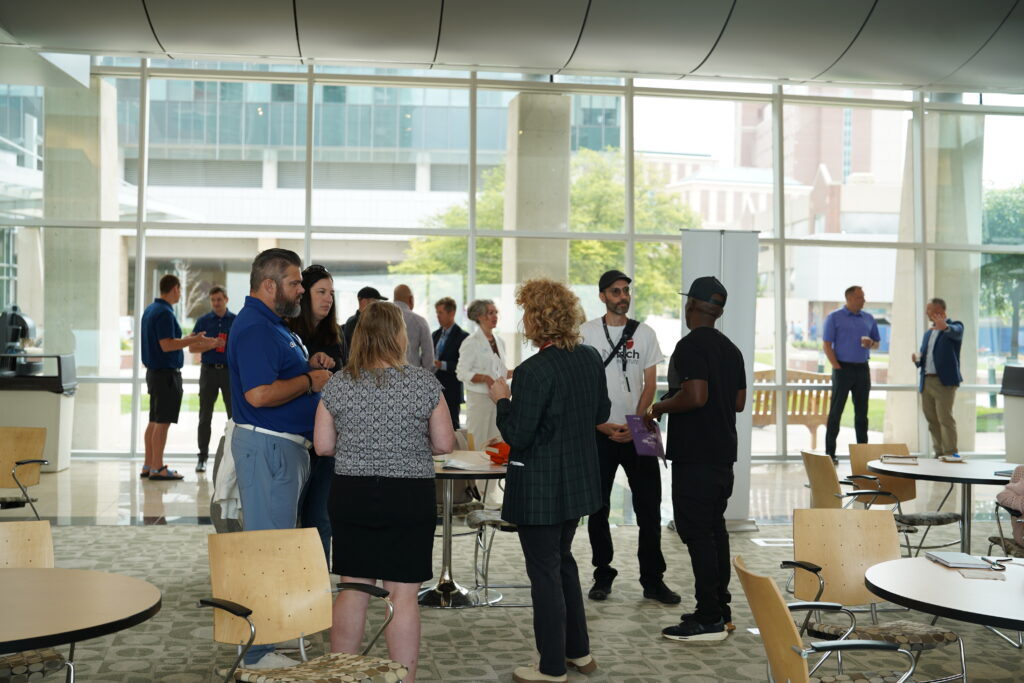
Seaman said local universities act as key drivers in innovation and talent attraction.
For example, the LinkedIn report found the University of Nebraska Medical Center as a top employer in Omaha, along with Nebraska Medicine and Mutual of Omaha.
Tim Hodges, a University of Nebraska-Lincoln professor who serves as executive director of the Clifton Strengths Institute, said UNL and Nebraska universities in general bridge the gap between students and employers. By holding direct conversations and collaborating on possible internships and entrepreneurial programming, universities can work with city stakeholders to train the next generation of workers — all in order to better encourage them to stay and explore opportunities in the state.
“If you live in a big city on the coast, it’s probably harder to get the CEO of the largest employer in town to show up,” Hodges said. “On any given day in the College of Business, we have several of the … top executives from downtown Lincoln companies popping into class.”
Challenging brain drain
“Relocating for a job opportunity is growing in popularity,” Seaman said. “LinkedIn data shows that almost half (46%) of U.S. workers now live far from where they grew up, with career growth as a driving force for many.”
As residents determine the best decisions for their career journeys and work-life balances, cities such as Omaha and Lincoln will need to be strategic about what types of industries and infrastructure they invest in to stay relevant, Seaman said.
But once people find themselves in Nebraska, Hodges and other state leaders said workers will become inspired to stay.
“It’s almost like when (Husker football coach) Matt Rhule recruits a football player: If they can get him here on a campus visit, the chances that they can close that student athlete go up tremendously,” Hodges said. “I think the same is true for people looking to relocate a business.”