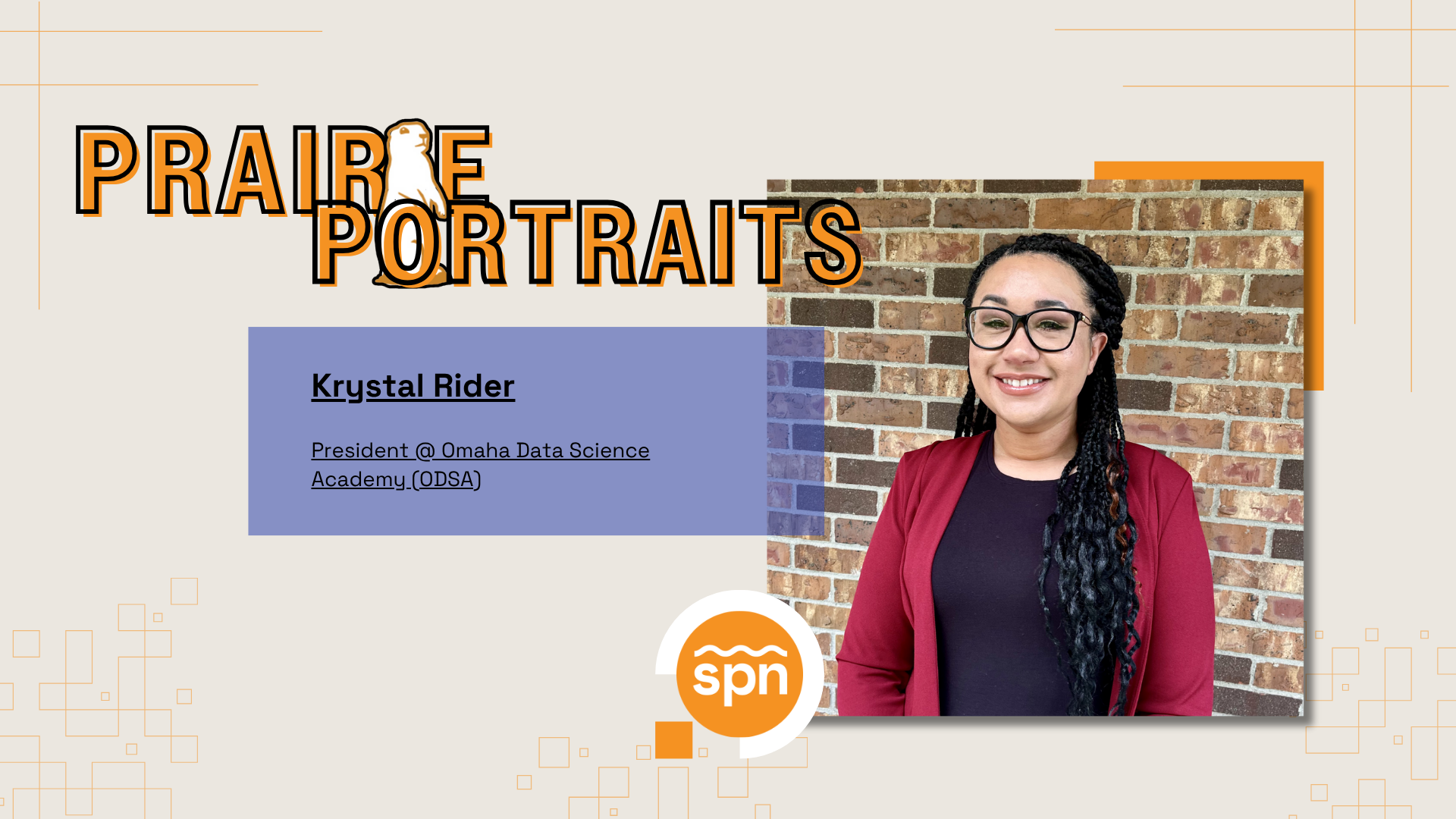
Meet Krystal Rider, President @ Omaha Data Science Academy (ODSA)
ODSA offers curriculum, internship networks and career guidance to support the state’s data science workforce. Its parent company is Contemporary Analysis (CAN), an Omaha-based business consulting firm that specializes in such data-focused topics as analytics and data management. The trade school recently received accreditation from the Nebraska Commissioner of Education.
What inspired you to become an entrepreneur or support other entrepreneurs?
During COVID, I started helping ODSA with their first round of Department of Education paperwork. That small task quickly became my mission. Seeing how proper guidance could open doors for clients reminded me that entrepreneurship isn’t just about building something for yourself; it’s about creating opportunities.
That simple act of filling out forms became so much more: It became my way to empower others when they needed it most. That lit the spark for me. When I joined the team at ODSA, it was a full-circle moment.
What advice would you give yourself if you could go back in time to when you were just starting out?
Embrace clarity through action, not perfection. When I first started, I felt the weight of every decision, like one wrong move could derail everything. That fear can freeze you. But I’ve learned that progress doesn’t come from waiting for the perfect plan; it comes from moving forward, even if the path isn’t fully clear.
Back then, I didn’t realize how powerful small wins would be. Helping CAN complete their very first education paperwork felt like a simple task at the time, but it became a turning point for them and for me. Those early victories taught me to measure success not by how polished or big something looked, but by whether it opened a door for someone else.
If I could go back, I’d remind myself that the small, sometimes messy steps matter most. They build momentum, confidence and trust. Perfection isn’t what changes lives. Showing up, trying, learning and staying committed do. (Heavy on the “trying” part …) I’d also tell myself to pause long enough to savor those little moments because they’re the real foundation of everything that comes after.
How do you stay motivated when things feel overwhelming — or stagnant?
I always go back to why I started. My work is about unlocking opportunities for real people, students, clients and community members. When things feel overwhelming, I break challenges down into smaller steps and lean on collaboration. Talking things through or asking for help often makes big obstacles feel more manageable.
But I’ve also learned that motivation isn’t just about pushing harder — it’s about protecting my energy. For me, that means no meetings after 3 p.m. I know my brain is drained by then, so I give myself space to focus on creative work, strategy or simply to rest. Shifting to another project, stepping away completely or even doing something I love outside of work helps me reset.
Rest isn’t failure — it’s part of the process. By honoring that rhythm, I can return with a fresh perspective and renewed energy.
What is the biggest challenge you’ve overcome and how did you overcome it?
One of the biggest challenges I’ve faced has been navigating complex systems and accreditation without a roadmap. These systems are intimidating, full of rules and processes that can make you feel like you’re constantly behind. At times, it was overwhelming, and I questioned whether I was really cut out for it.
I overcame it by refusing to accept “You can’t do that” as an answer. I stopped giving people who had no power to tell me no the power to tell me no. No is easy. It’s comfortable. I don’t live in that space. I asked questions, built relationships with people who were willing to help and leaned on persistence when things got hard.
I also learned that overcoming challenges isn’t just about grit — it’s about resilience. Giving myself the space to step back, reset and then return with fresh energy made it possible to keep pushing forward. That combination of persistence and pacing helped me turn challenges into milestones.
How can the Nebraska community support you?
The Nebraska community can support me by continuing to invest in education, workforce development and entrepreneurship. Financial resources matter, but just as important are mentorship, partnerships and opportunities for collaboration. When local businesses, nonprofits and governments come together, we strengthen the entire ecosystem.
At ODSA, one of the ways we’re contributing is through internships. We cover 100% of the cost of the first intern for any Nebraska business. This removes the barrier for companies to take a chance on student talent and gives students the hands-on experience that makes classroom learning come alive. These internships are not only about professional growth — they’re about building direct bridges between education and the workforce.
That connection is critical if we want to keep talent local. Too often, bright minds leave Nebraska because they don’t see a clear path to opportunity here. By investing in internships, mentorships and first-job experiences, we create reasons for graduates to stay, contribute and innovate right here at home.
Support also means fostering a culture that values long-term sustainability, not just celebrating quick wins, but backing organizations and leaders who are building for the future. Together, we can create stronger pathways for people to learn, grow and stay in Nebraska, strengthening both our economy and our innovation story. For me, that’s what community is all about: raising each other up and reaching back so we can all move forward.