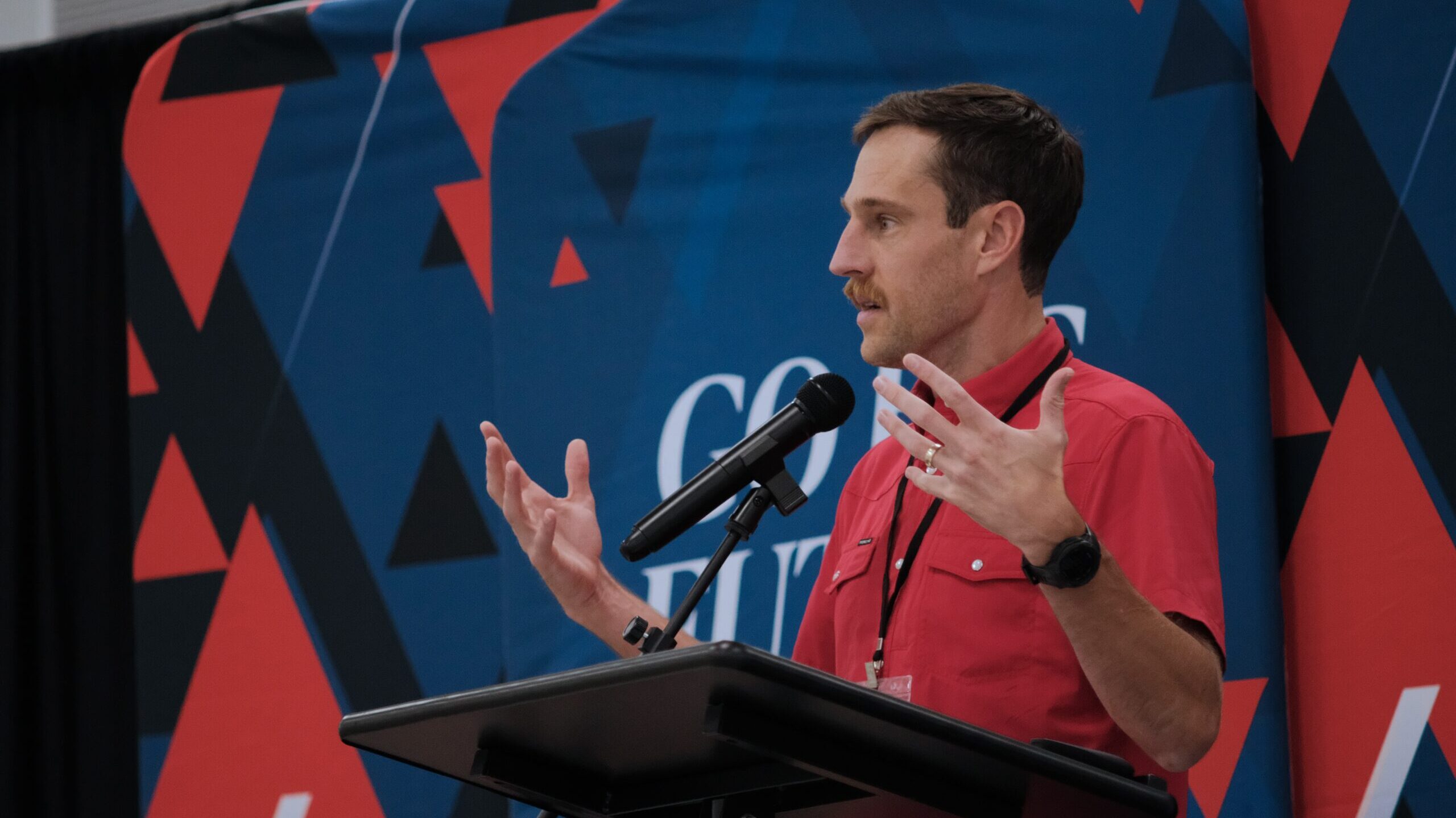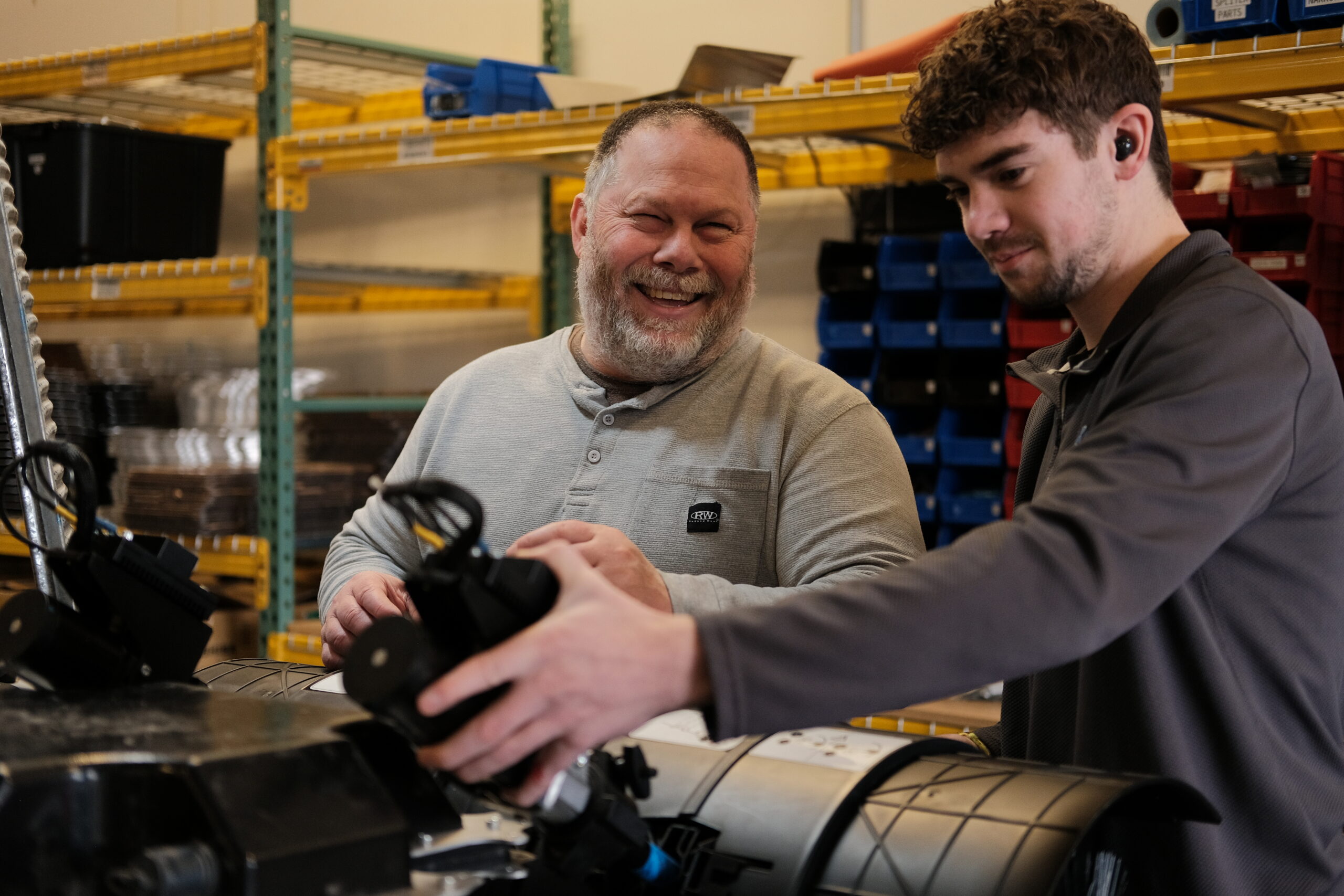
AgTech Connect, the conference celebrating Midwest innovation around agriculture, is back July 15-16 at the Nebraska Innovation Campus in Lincoln. Hosted by The Combine, the Nebraska agtech startup incubator and accelerator, roughly 300 attendees are expected from the worlds of farming, startups and venture capital.
Tickets are available starting at $25 for students and $120 for general admission. Speakers include Chad Johnson, the CEO and co-founder of local robotics agtech startup Grain Weevil, and leaders from startups and companies across the country such as Emgenysis, Soiltech Wireless and Continuum Ag.
Attendees will see demonstrations of new technology and experience a variety of breakout sessions and roundtables, with a focus on irrigation technology and the interoperability of agriculture data.
The conference will host a Startup Soiree on July 15 to help founders, farmers and venture capitalists network. ALA Engineering, a livestock management startup, will also showcase its technology in the field at the University of Nebraska-Lincoln’s Eastern Nebraska Research, Extension and Education Center.
This year’s AgTech Connect comes as the Nebraska agtech ecosystem, and agtech across the Midwest, is starting to mature and gain widespread recognition. A new AgTech Innovation Map shows that since 2024, Nebraska has added roughly 12 new startups, with a focus on animal health, robotics and precision agriculture.
For The Combine, that signals how the world of tech, usually concentrated on the East and West Coasts, is moving into the rest of the country. That’s especially important to agtech startups in Nebraska, where it helps to be close to farmers for product development and customer acquisition.
But there are also many challenges for agtech to navigate. Farmers are struggling with rising costs and have less money to spend on new technologies.
At the same time, some startups are failing — not because they lack innovative products but because they don’t have a successful business model. New tech adoption is also happening much more slowly than agtech stakeholders typically expect.