

The annual AgTech Connect conference presented by The Combine took place July 15-16 at the Nebraska Innovation Campus in Lincoln. The event brought together founders, funders, business leaders and stakeholders across the food supply chain to showcase new technologies and address concerns impacting the ag industry.
The Combine is a statewide initiative with the mission of supporting entrepreneurs in food and agriculture spaces. The program offers networking opportunities, support for scaling a business to commercialization and expert-led curriculum and mentorship for founders.
During AgTech Connect 2026, attendees experienced tech demos, live discussions, keynote speeches and panels. SPN gathered five key takeaways from speakers:
1. Scaling a business is a group effort.
Grain Weevil Co-founder and CEO Chad Johnson led a keynote presentation that highlighted the importance of building a network of advisers and team members who are willing to voice their opinions, answer questions and provide moral support. He said founders should always admit that they’re not the smartest person in the room and encouraged them to learn from everyone they meet.
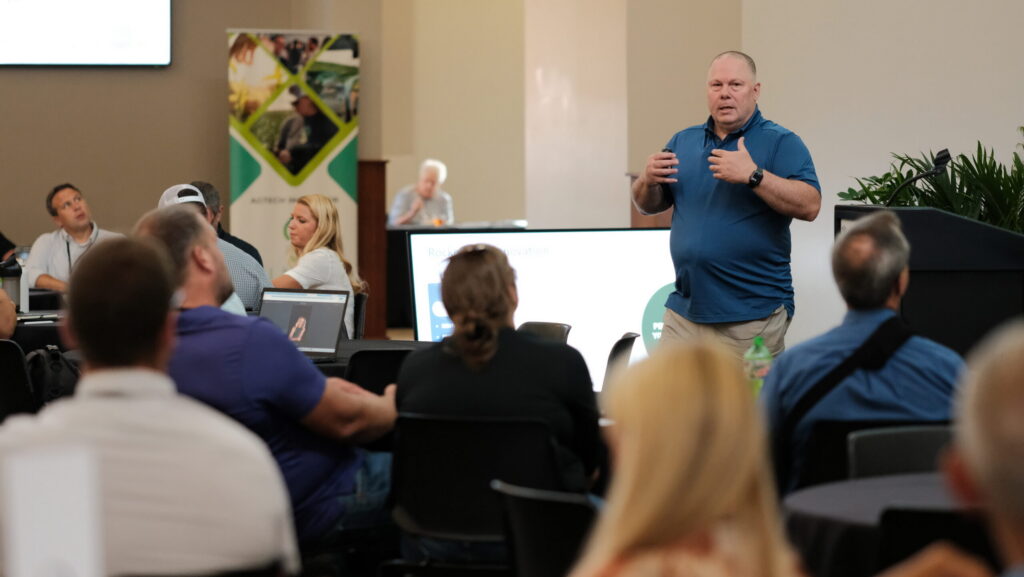
“You can be a kindergarten teacher, and you’re not the smartest kid in the room,” Johnson said. “Like, there is some kid sitting over in the corner that knows more about Minecraft than any human alive.”
Instead of turning to artificial intelligence for answers, Johnson said, entrepreneurs should turn to people who gained knowledge through lived experience and who can be honest about whether something is truly a good idea.
2. Think about the customers, not just the numbers.
A recurring message voiced by speakers throughout the conference was the need for startups to understand the perspectives of producers. Even if a founder can demonstrate desirable efficiencies and usage metrics with a new technology, they still need to convince a farmer that the costs to install and learn how to operate the solution are worth it.
Rather than putting more effort into convincing producers to change their mind, Johnson said, entrepreneurs should learn from rejection to see where their pitches can improve and where their solutions might still be lacking. This may mean rethinking a business model, such as exploring the strategies of offering protection plans or lending a piece of tech instead of selling units outright.
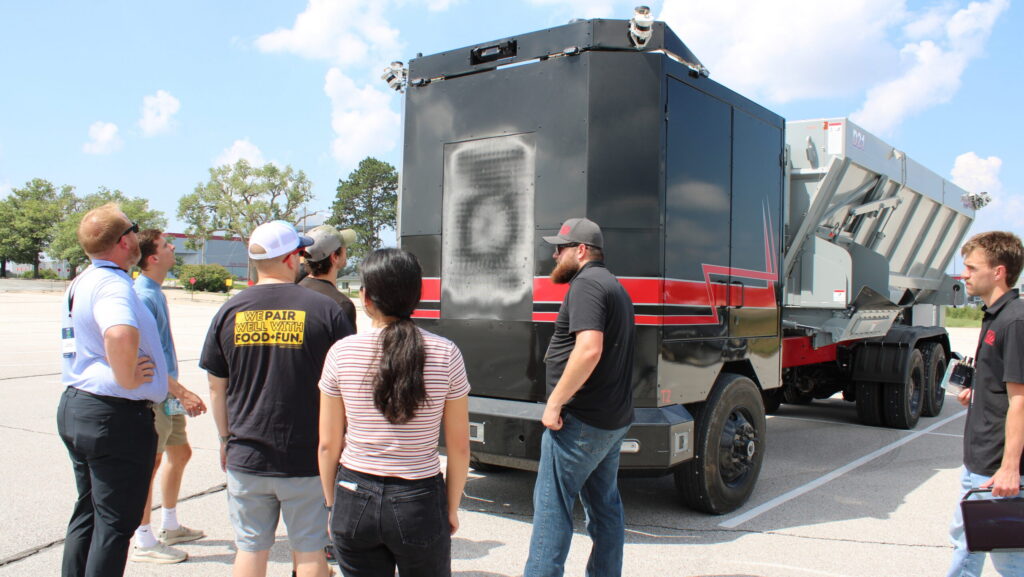
Speakers noted that a conversation that a founder may have with a CTO will likely require a different list of talking points than a conversation with the people on the ground who would be using the tech directly. They also emphasized the need for fellow entrepreneurs to be authentic.
“I think where we build trust is being a farmer myself,” Continuum Ag Founder and CEO Mitchell Hora said. “And as I pivoted the company, as we found new opportunities, it’s always been solving another problem on my own family’s farm.”
3. View raising capital as a strategy for growth beyond financing.
During a panel made up of agtech founders with backgrounds in scaling their own startups, panelists shared tips and additional considerations entrepreneurs should think about when raising capital. When founders raise venture capital, they also have to weigh the equity they will be giving up in the ownership of their ventures, as well as the additional pressures and demands they likely will face from investors wanting returns.
Panelists encouraged entrepreneurs to think about investors as opportunities to break into new networks, markets and industry insights. Funds offer a variety of mission statements and areas of focus, meaning their unique interests and expertise can be complementary to a founder’s strengths and weaknesses.
Regarding a question on advice for raising capital from friends and family, panelists voiced caution about potential relationship strains and the need to be transparent about the risks.
“I made sure that, ‘OK, if you’re not prepared to lose it all, then I highly advise you not to invest in this,’” Sabanto Founder and CEO Craig Rupp said. He pointed to potential financial gains but also the realities of heavy loss. “‘And don’t say I didn’t warn you.’”
4. Producers are also concerned about AI and data usage.
Like other industries, advances in artificial intelligence and machine learning are prompting producers to be more considerate about how they and third parties can use their metrics and data across operations. Panels during the conference opened up discussions on the barriers that prevent farmers from exchanging information across different equipment and software, as well as the infrastructure questions that come with the rise of data centers.
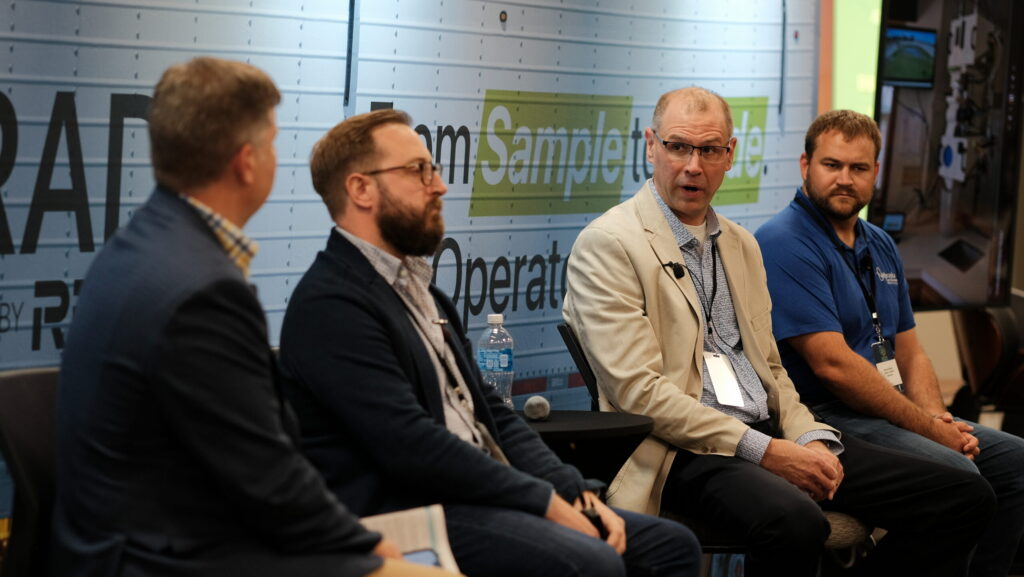
To tackle these challenges, a panel on water usage argued for stakeholders to reach out to community members, representatives and organizations at a local level — to truly understand unique concerns and direct impacts over generalizations.
5. Cheer on wins and each other.
Entrepreneurship is not a simple path without hurdles or setbacks, Johnson of Grain Weevil said. Founders should be there for one another. A community that celebrates one another and connects resources to its members is a community that can foster more success stories.
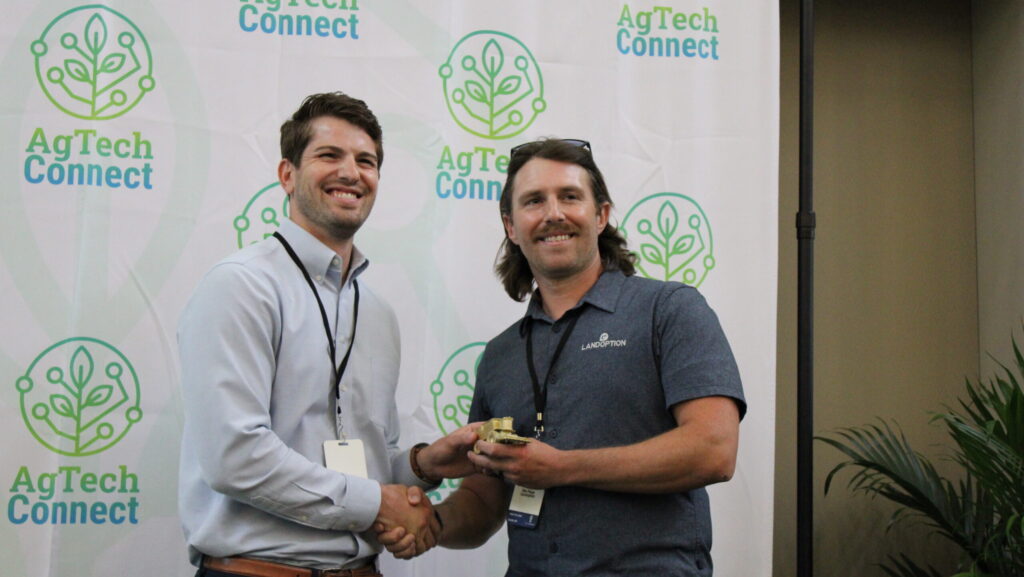
“Be the someone that propels other people,” Johnson said. “Be the additive.”
He encouraged founders to take advantage of meeting other people during events such as AgTech Connect, as those interactions could potentially lead to an unexpected supporter and ecosystem connector.



Leave a Reply