

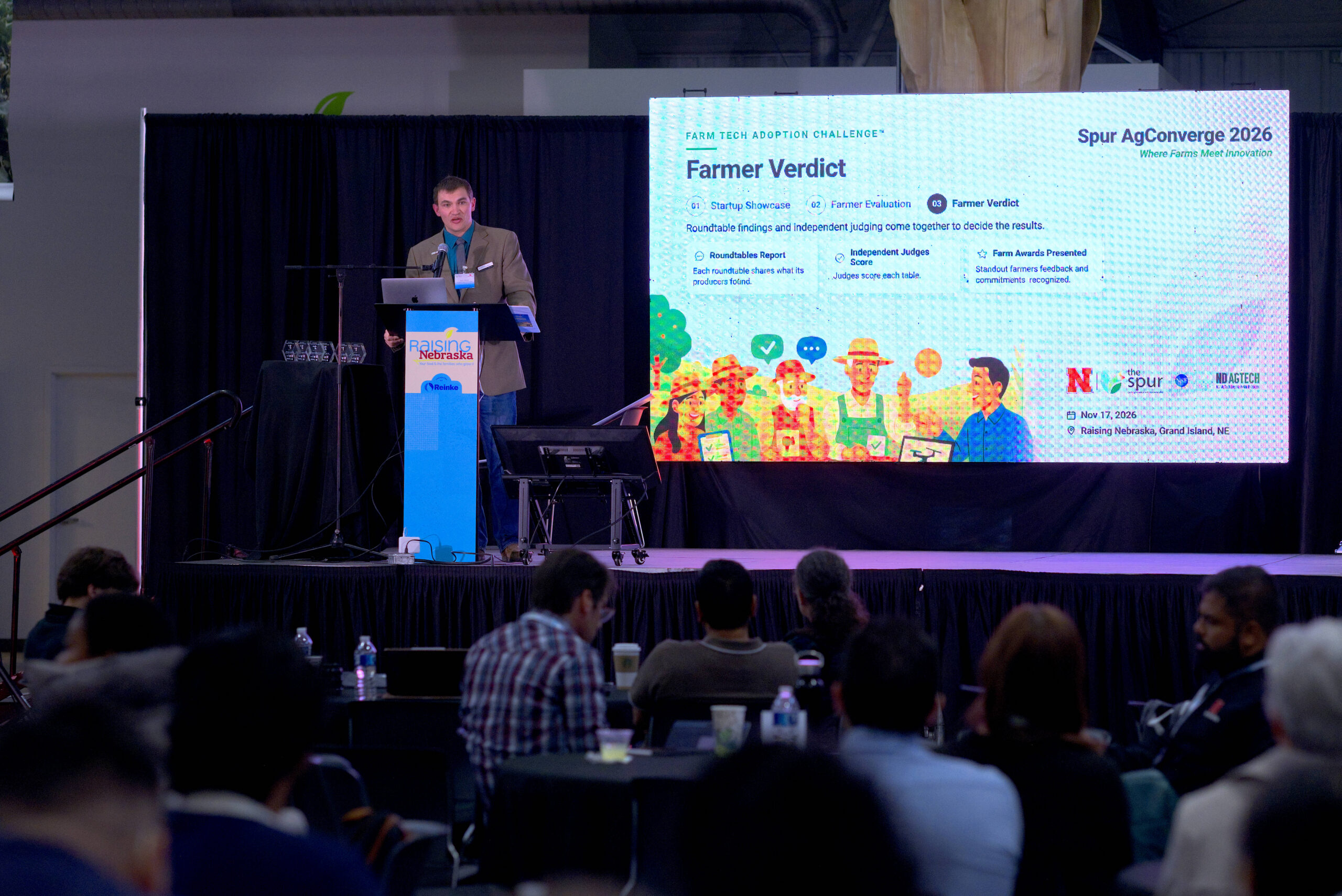
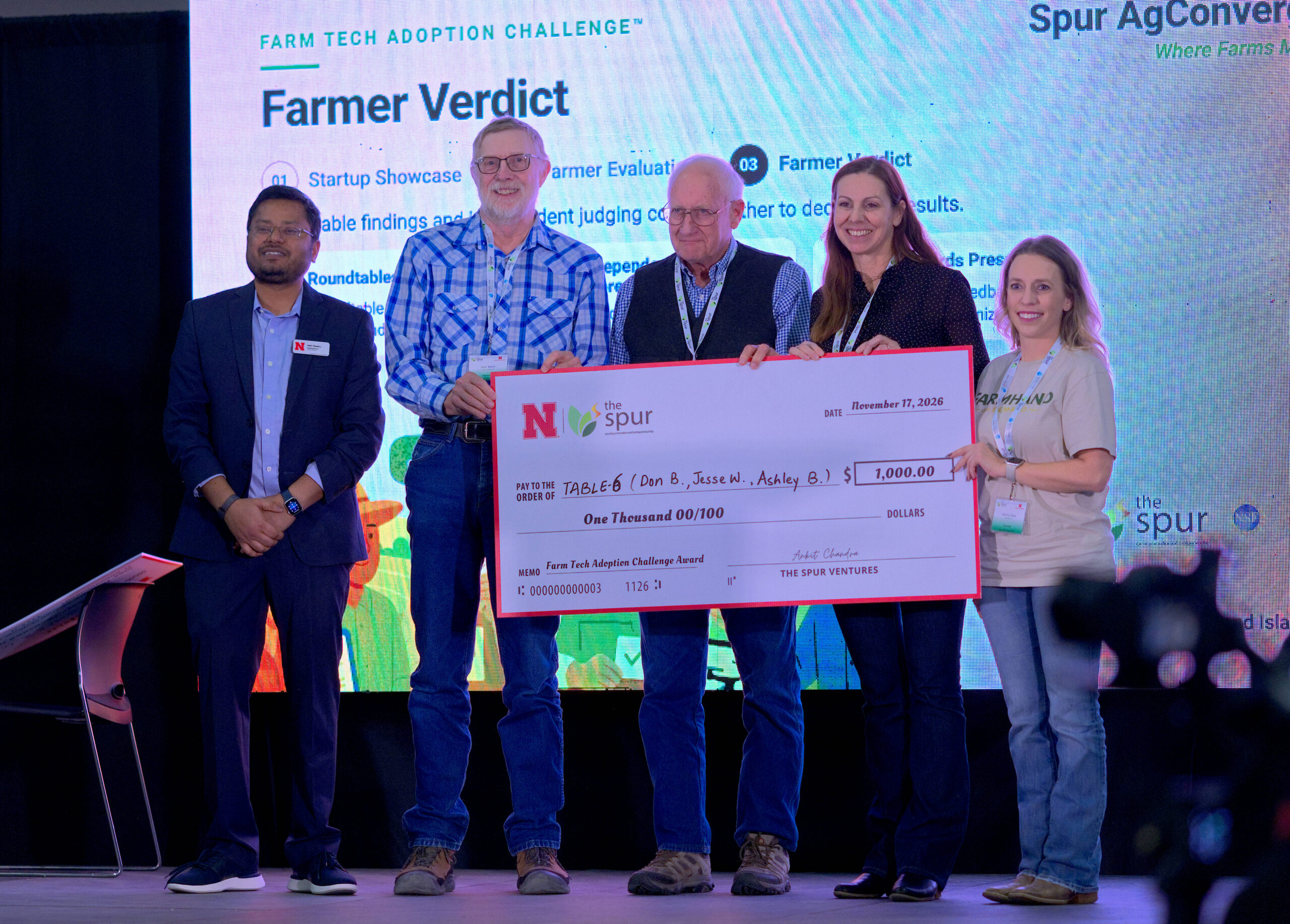
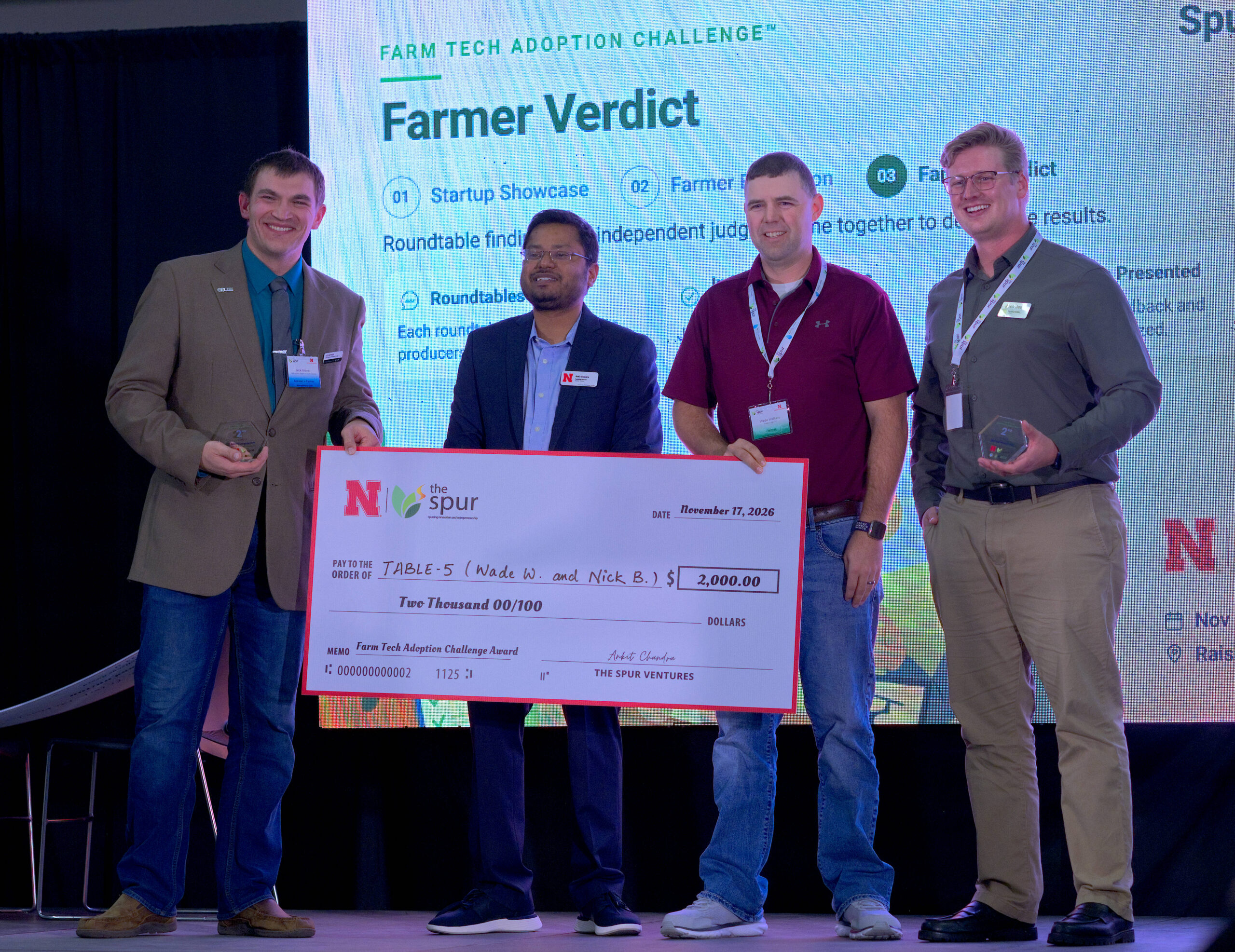
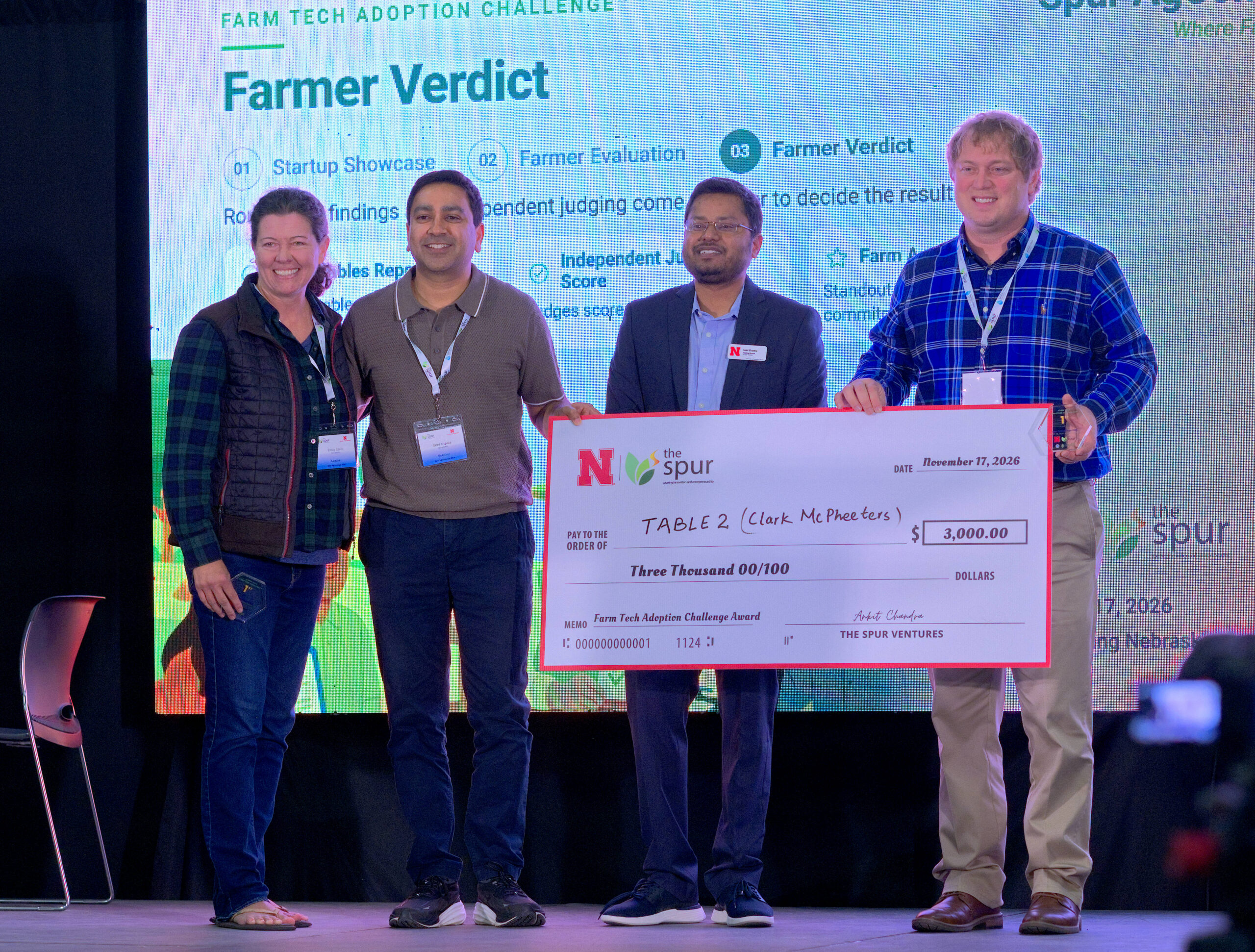
Three startups walked away from the Spur AgConverge 2026 conference as winners of the Farm Tech Adoption Challenge. But they didn’t get funding — instead, three groups of Nebraska farmers took home a combined $6,000 in award money to support agtech adoption.
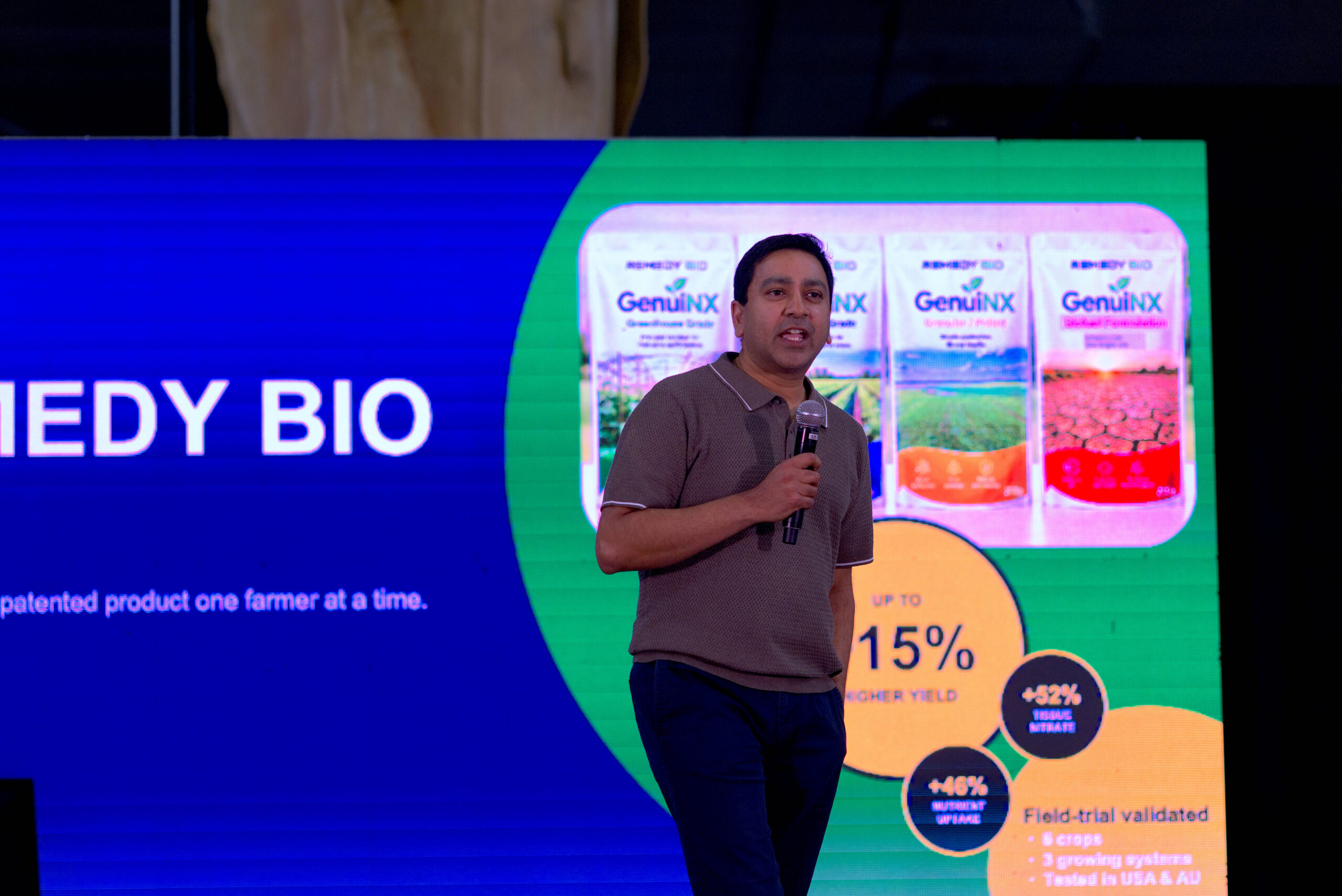
First place went to RemedyBio, an Australia-based startup with a soil prebiotic for good microbes to help grow crops and reduce fertilizer use. The second-place winner was Terraform Tillage, an Iowa-based startup with soil mapping technology to reduce unnecessary tillage. And third place went to Winterleap, a startup from Norway killing weeds in the winter with focused microwave radiation.
Farmers were impressed with the startups and their potential. “That’s just nuts … microwaving my soil, that’s sci-fi,” said Don Batie, a retired Lexington farmer who was part of the group that won the third-place prize of $1,000 to try Winterleap’s technology.
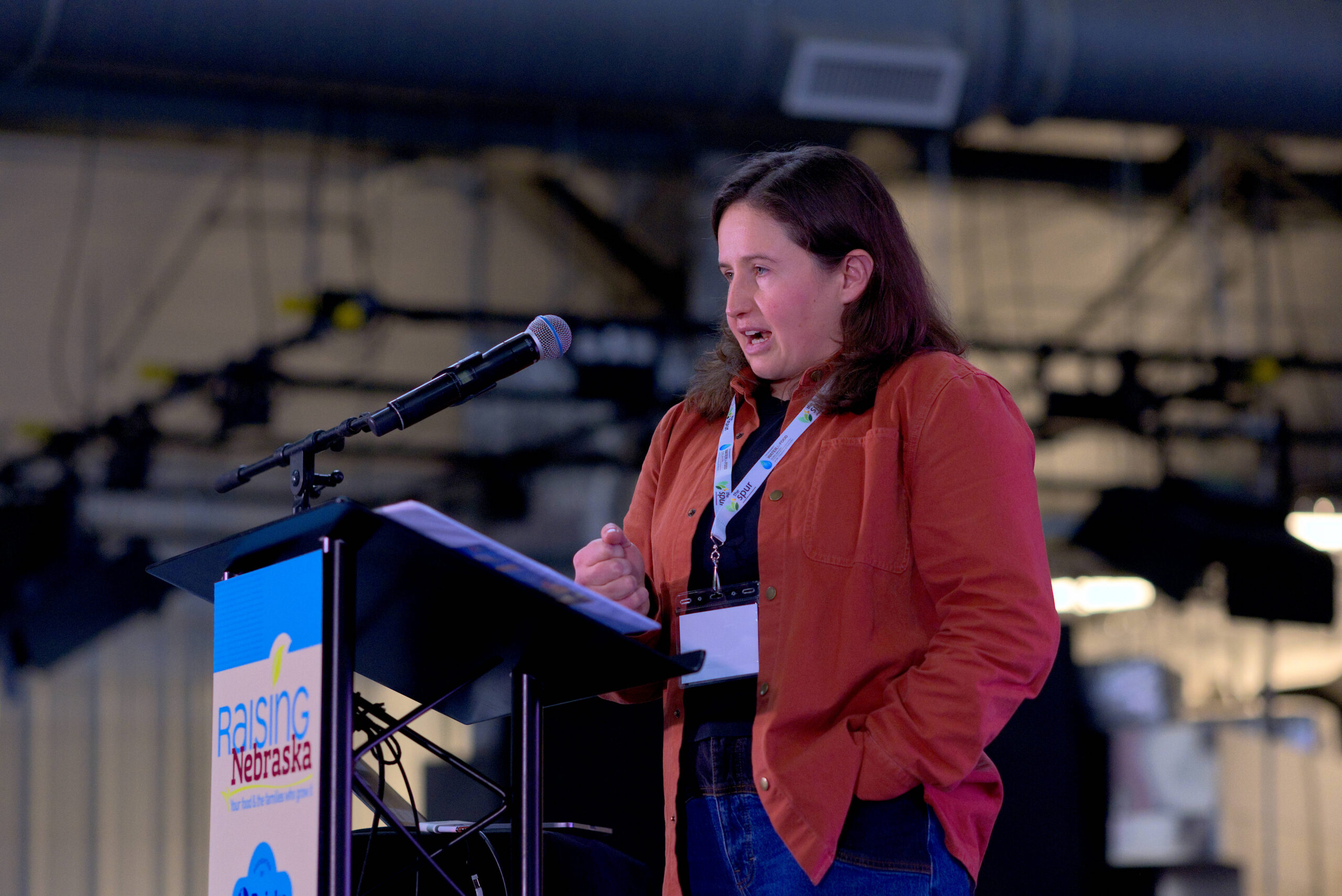
Emily Stein, the chief science officer at RemedyBio and the creator of its prebiotic, proved her product’s safety by drinking it onstage during the startup’s pitch.
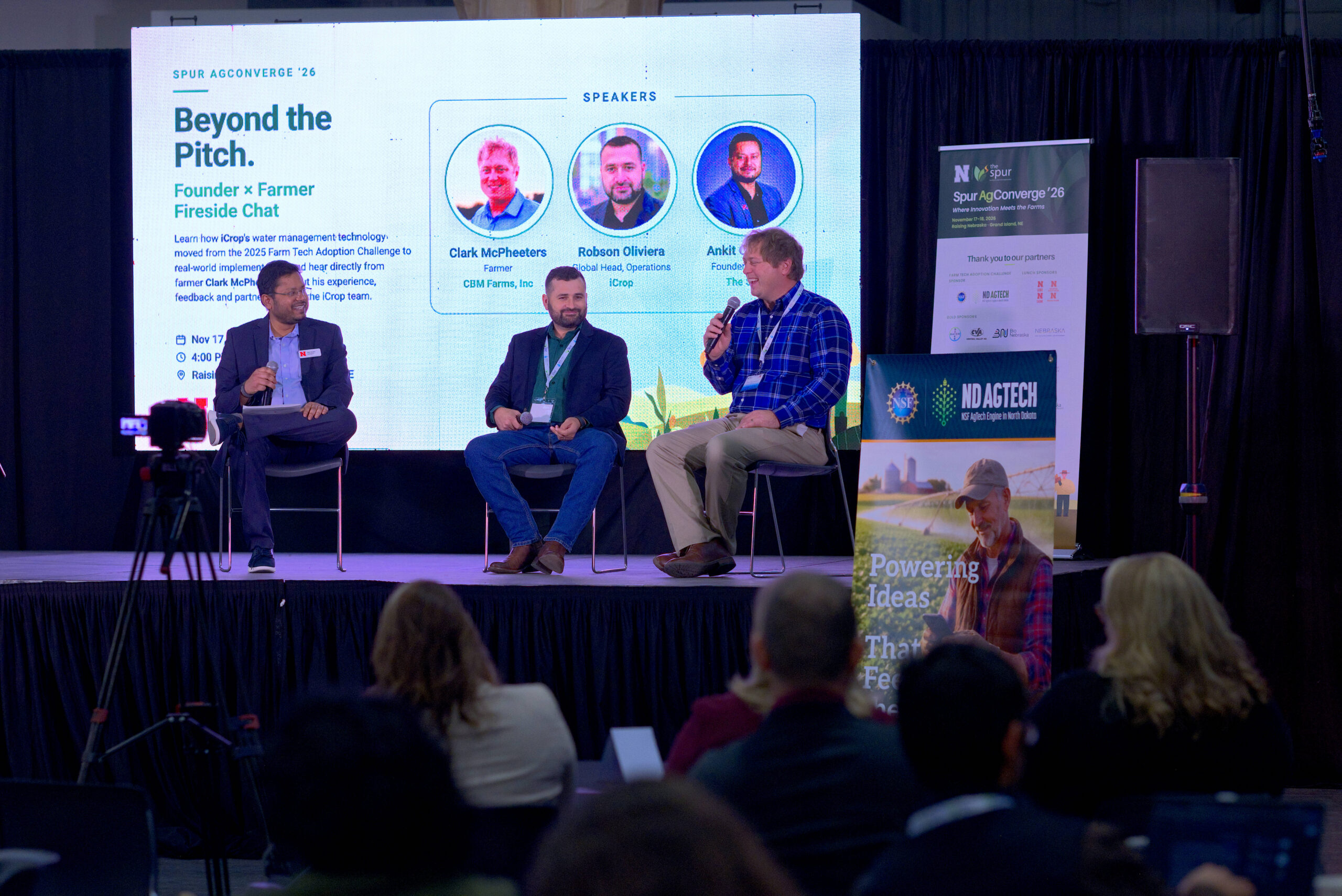
“I would challenge anybody to do that with most ag fertilizers and to be able to keep it down,” said Clark McPheeters, a fifth-generation Gothenburg farmer with a background in engineering. McPheeters won the first-place funding of $3,000 to run a pilot with RemedyBio.
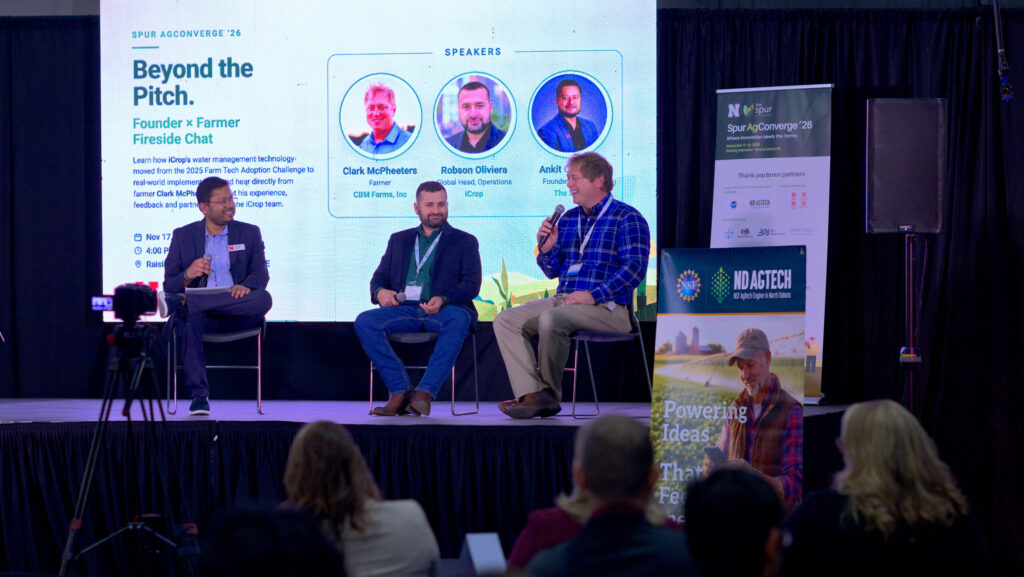
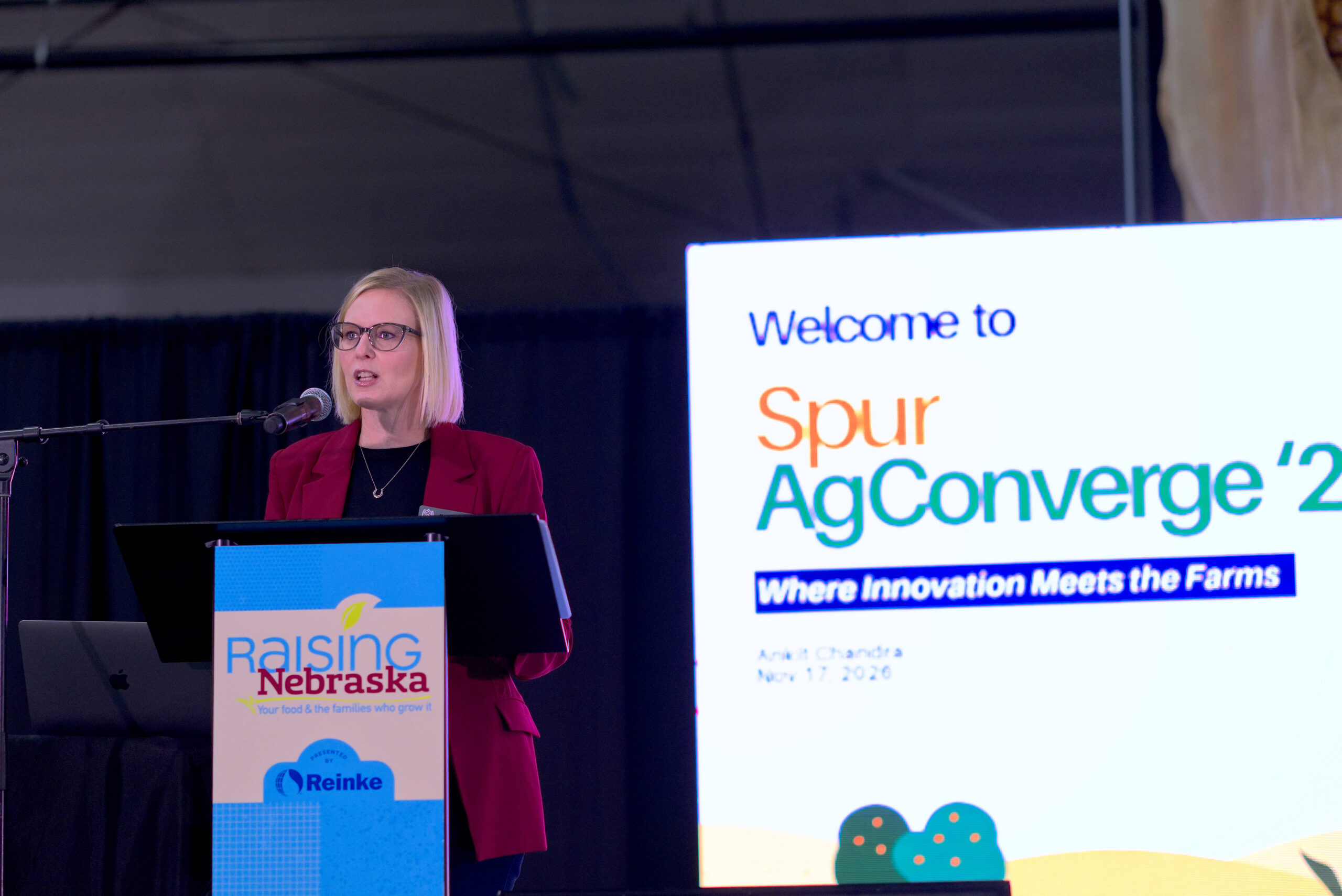
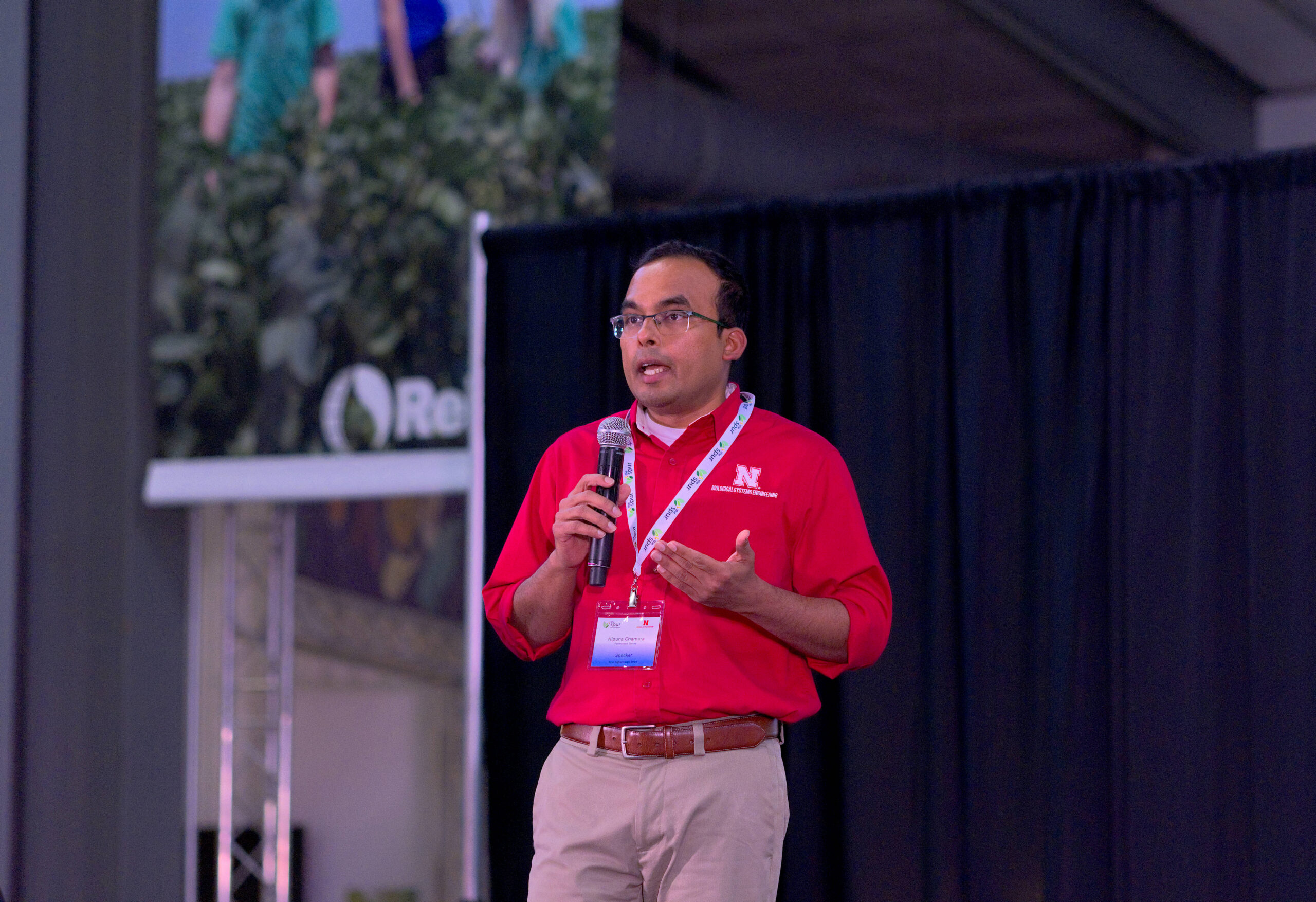
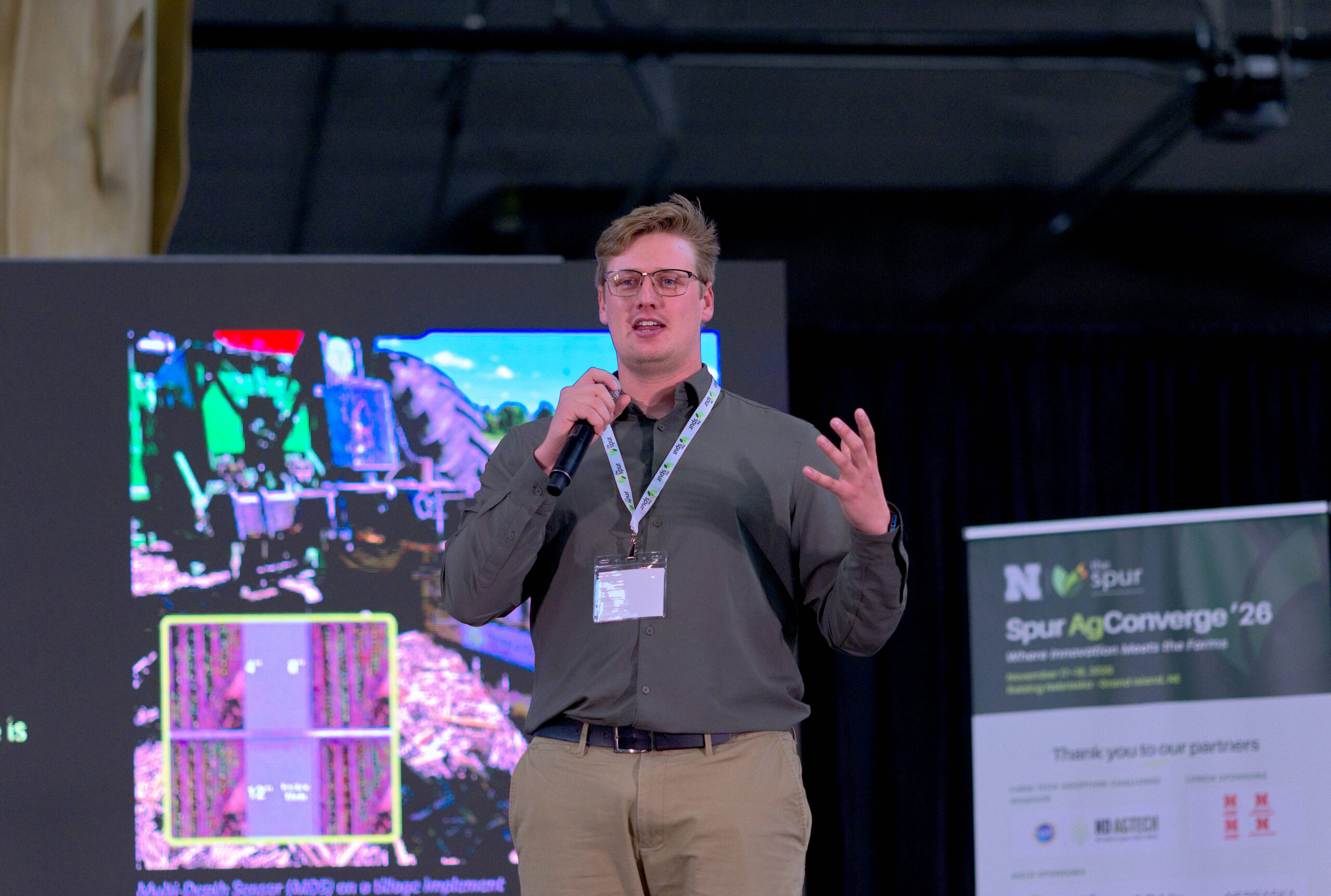
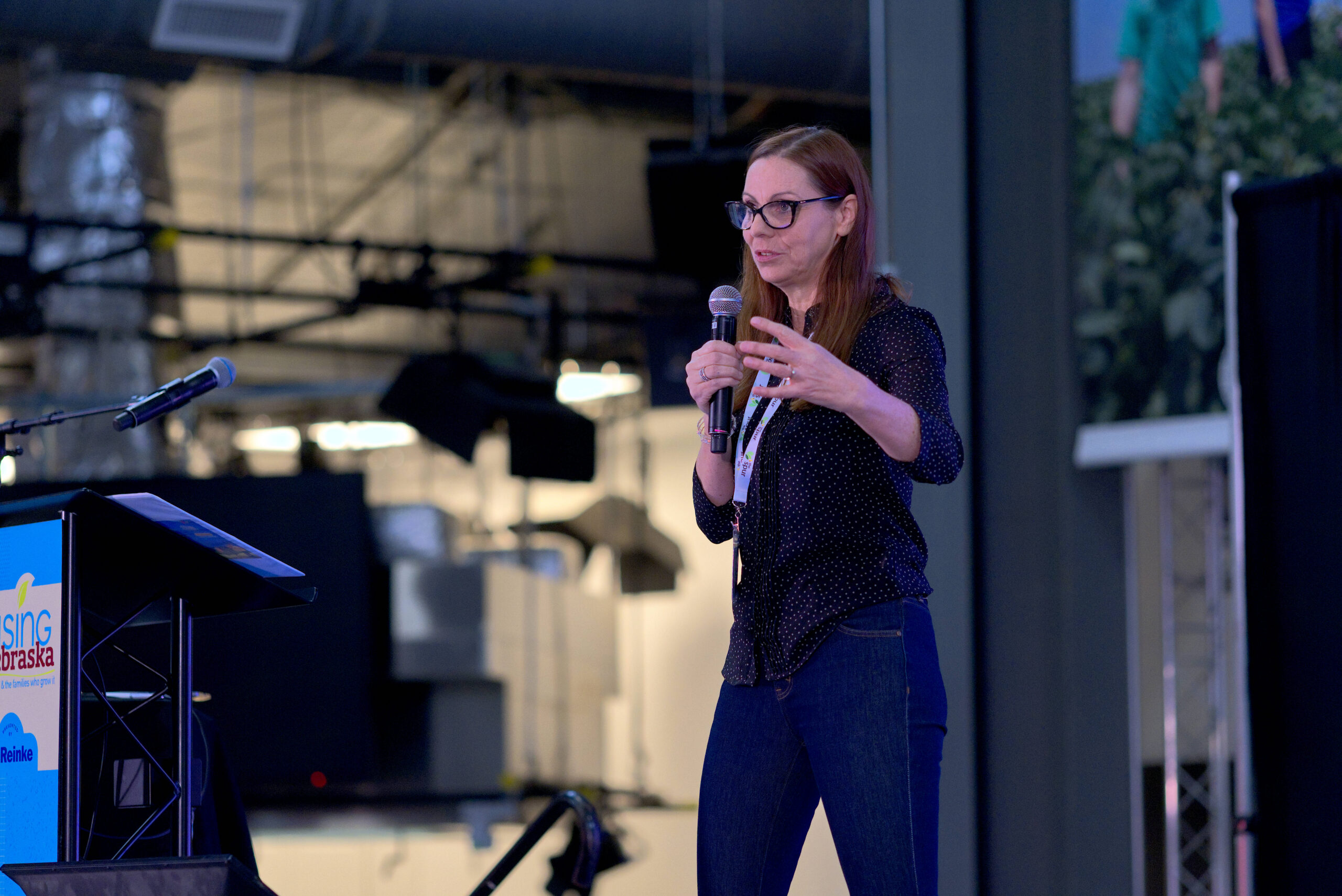
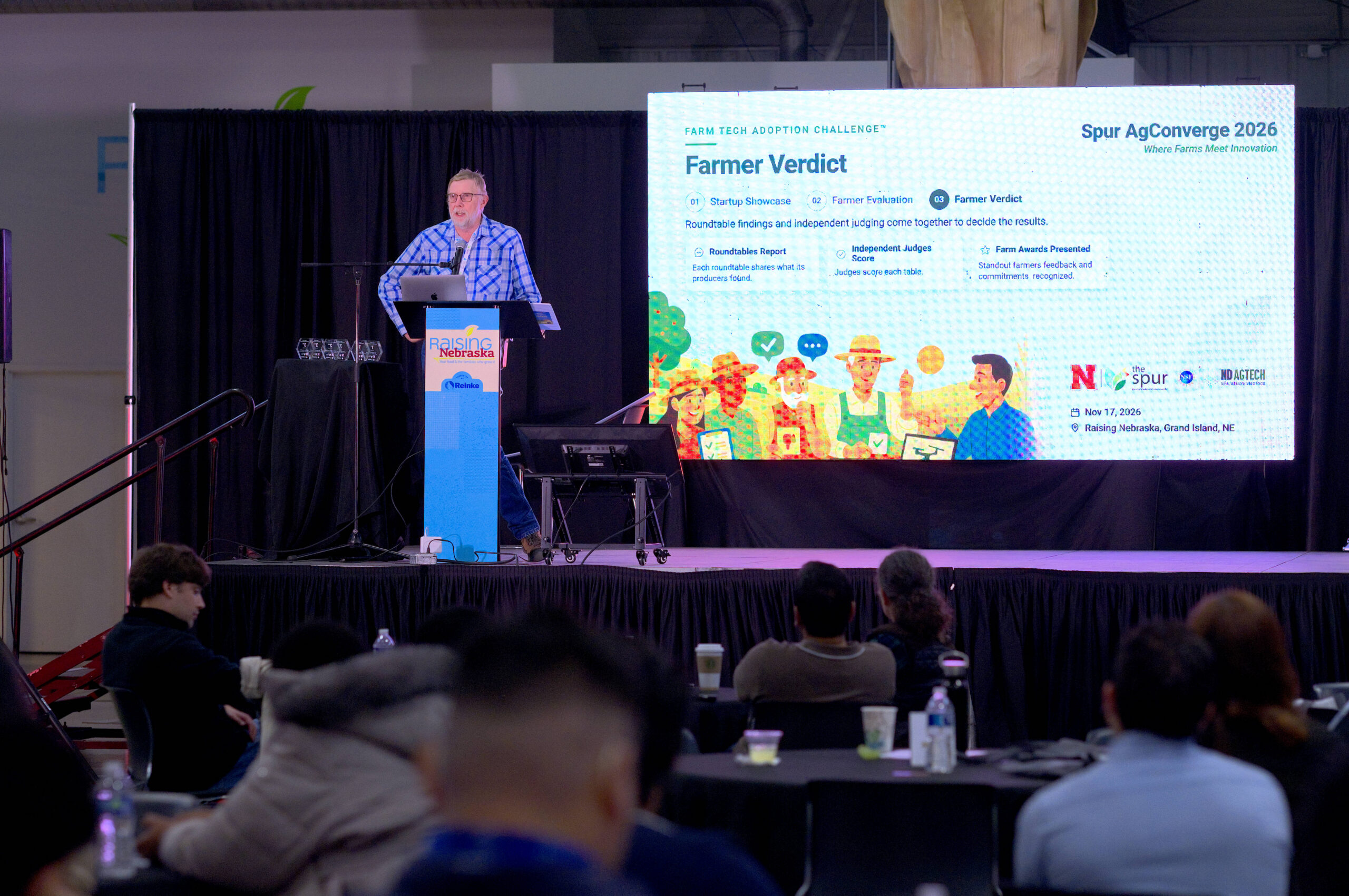
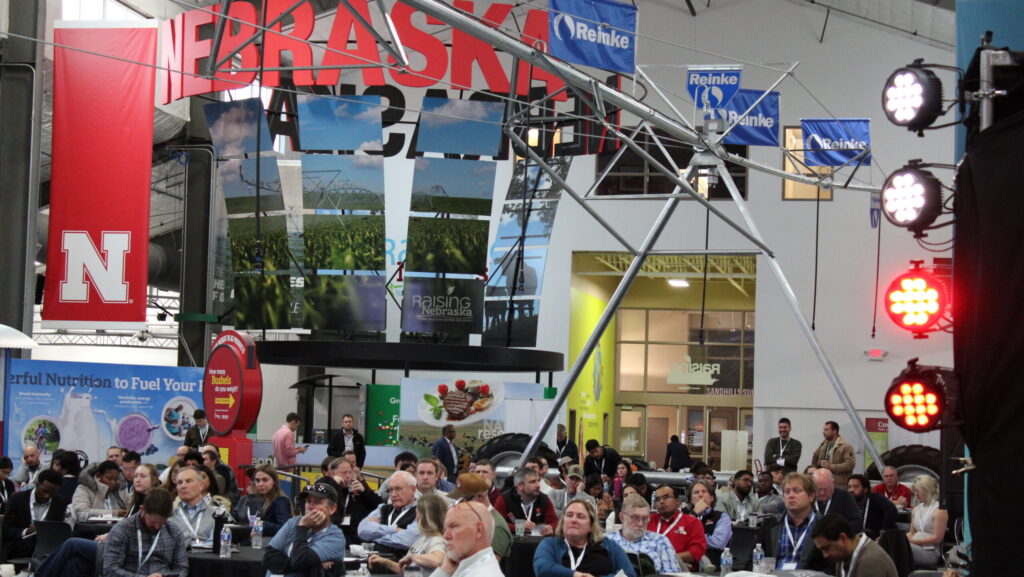
With eight of the 10 farmers committing to an adoption pilot with the six startups, the Farm Tech Adoption Challenge proved a success for the second annual Spur AgConverge. The conference was held Nov. 17-18 at the Raising Nebraska agriculture education facility in Grand Island.
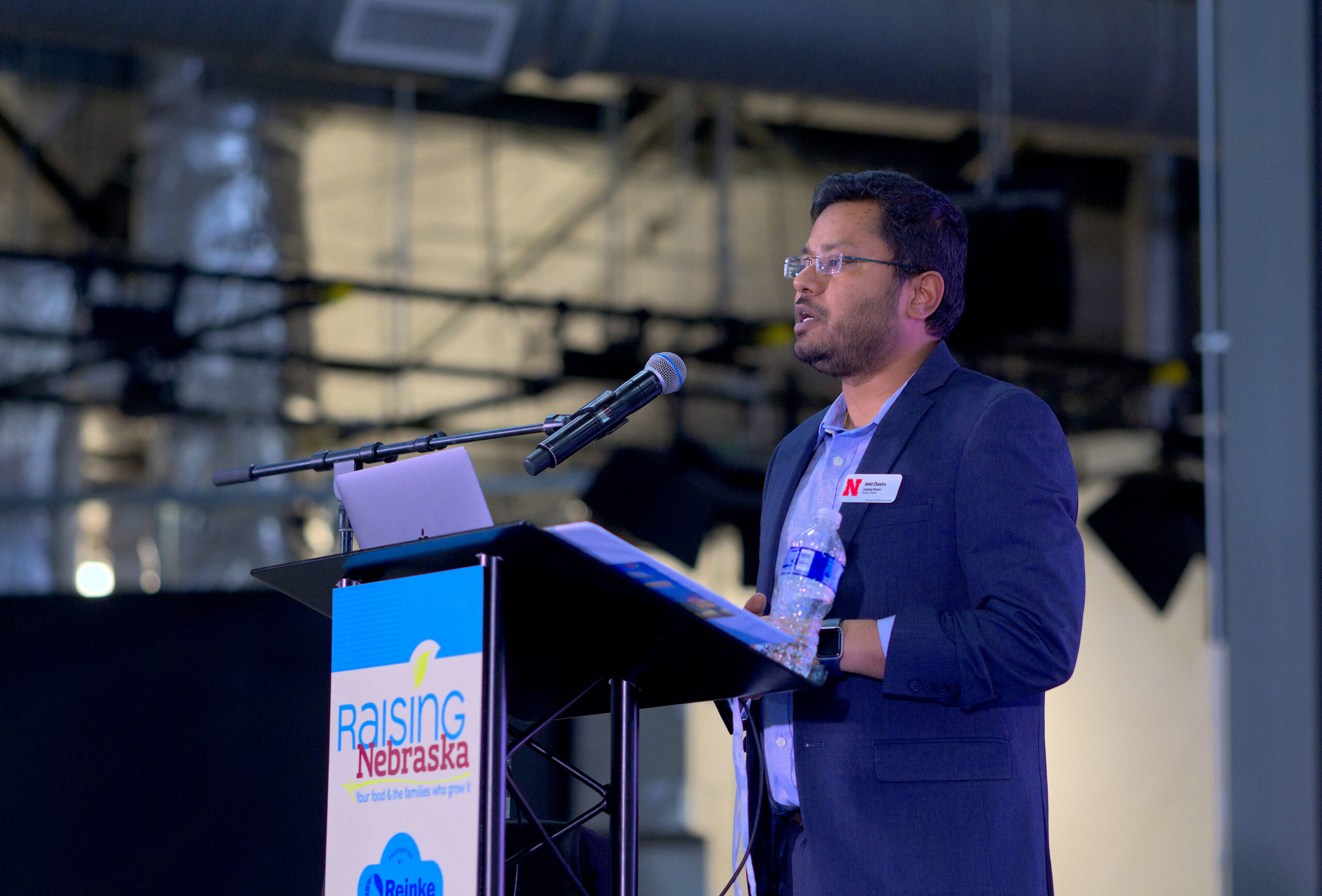
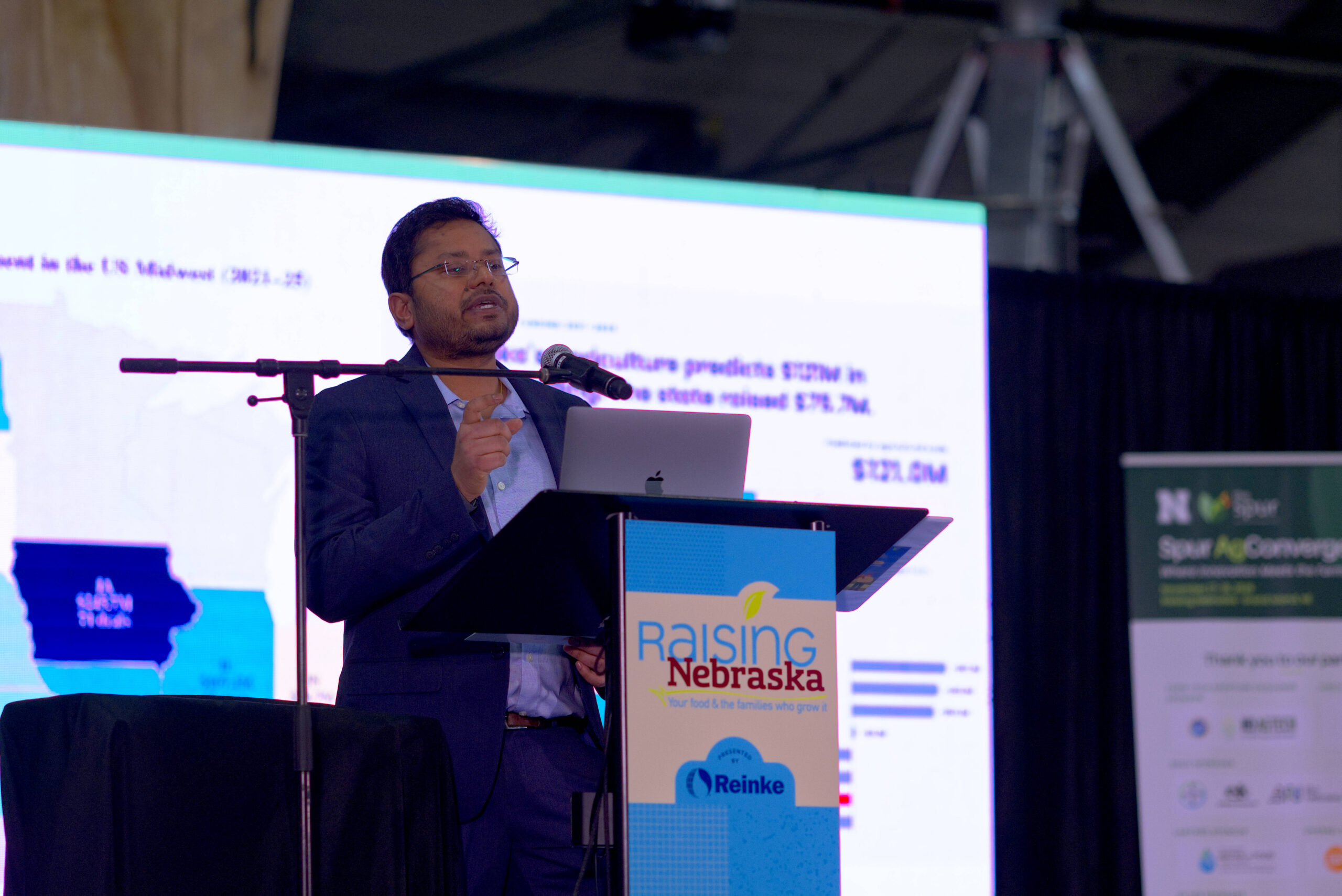
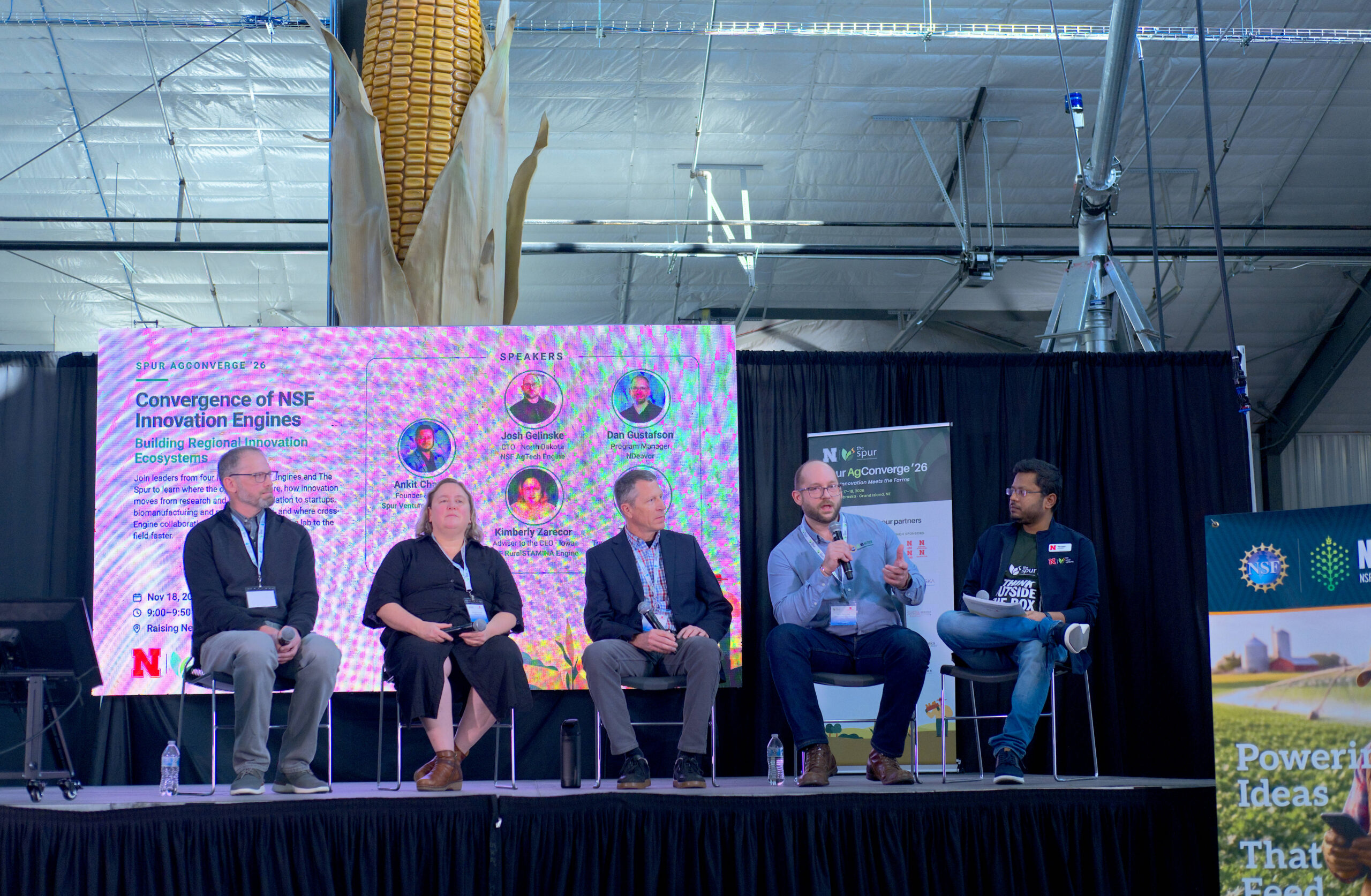
Spur AgConverge is the brainchild of Ankit Chandra, the director and lecturer for entrepreneurship in the Department of Biological Systems Engineering at the University of Nebraska-Lincoln.
Chandra is also the founder of Spur Ventures, an agtech support initiative that has focused on validating startup technology and mapping the agtech ecosystem.
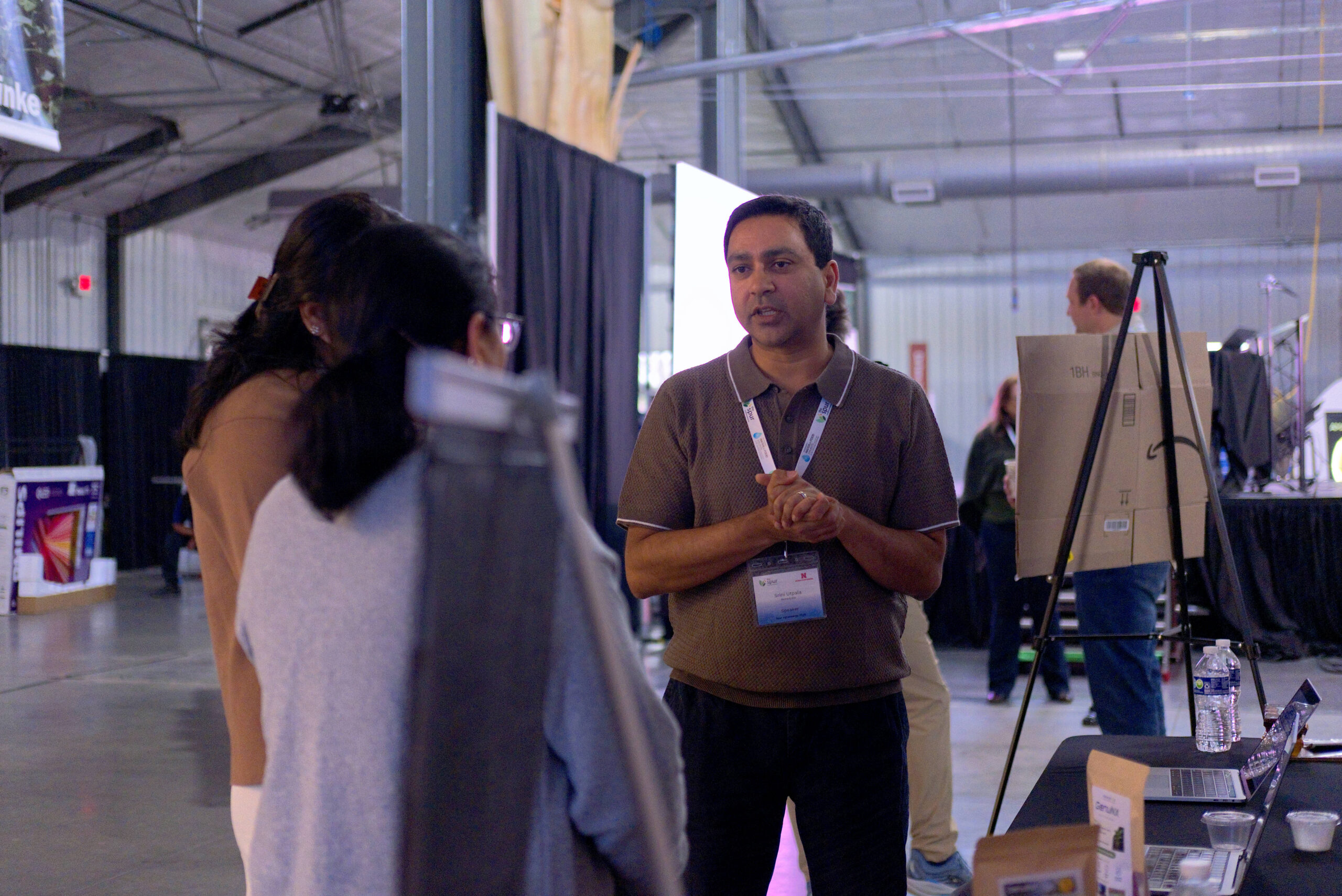
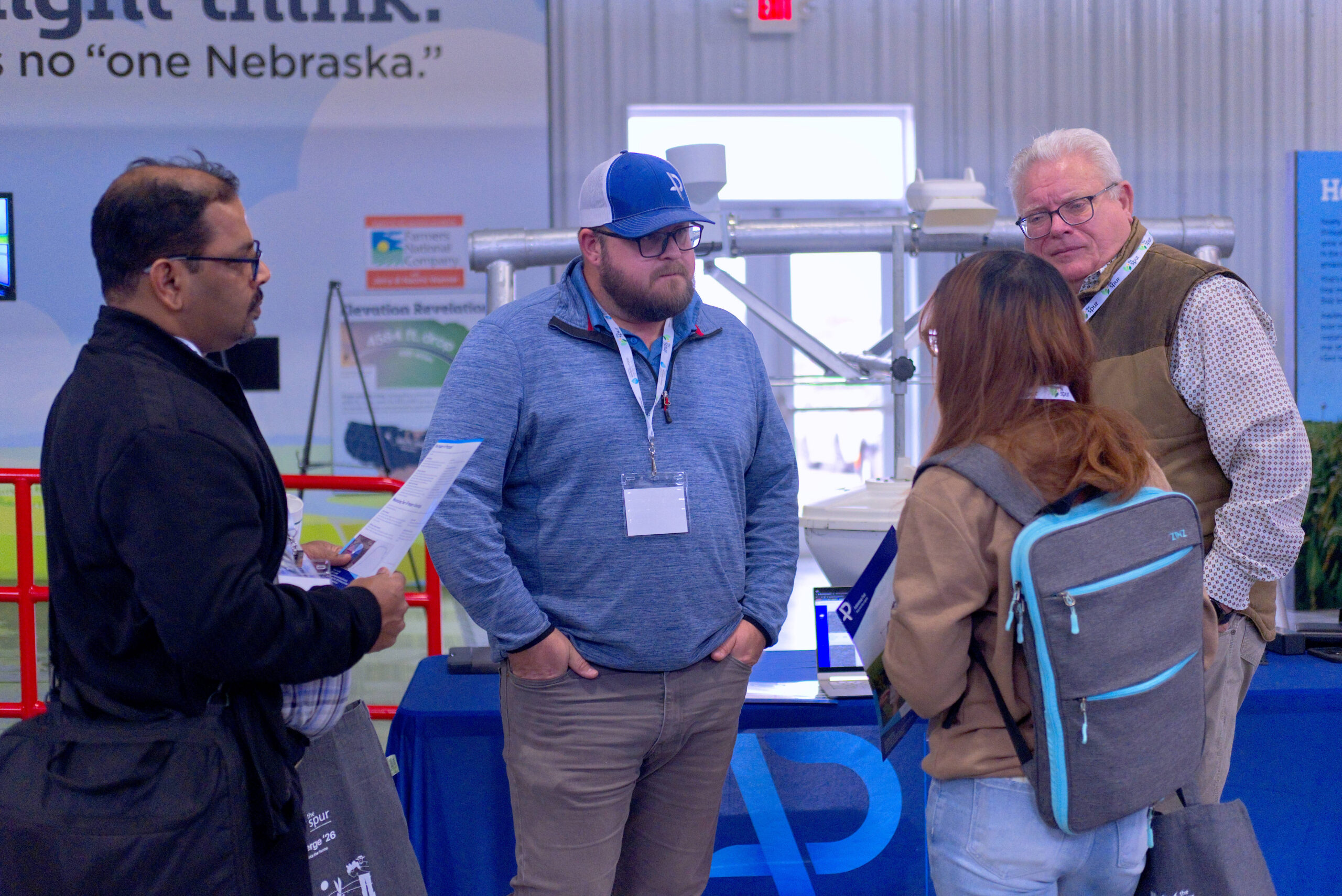
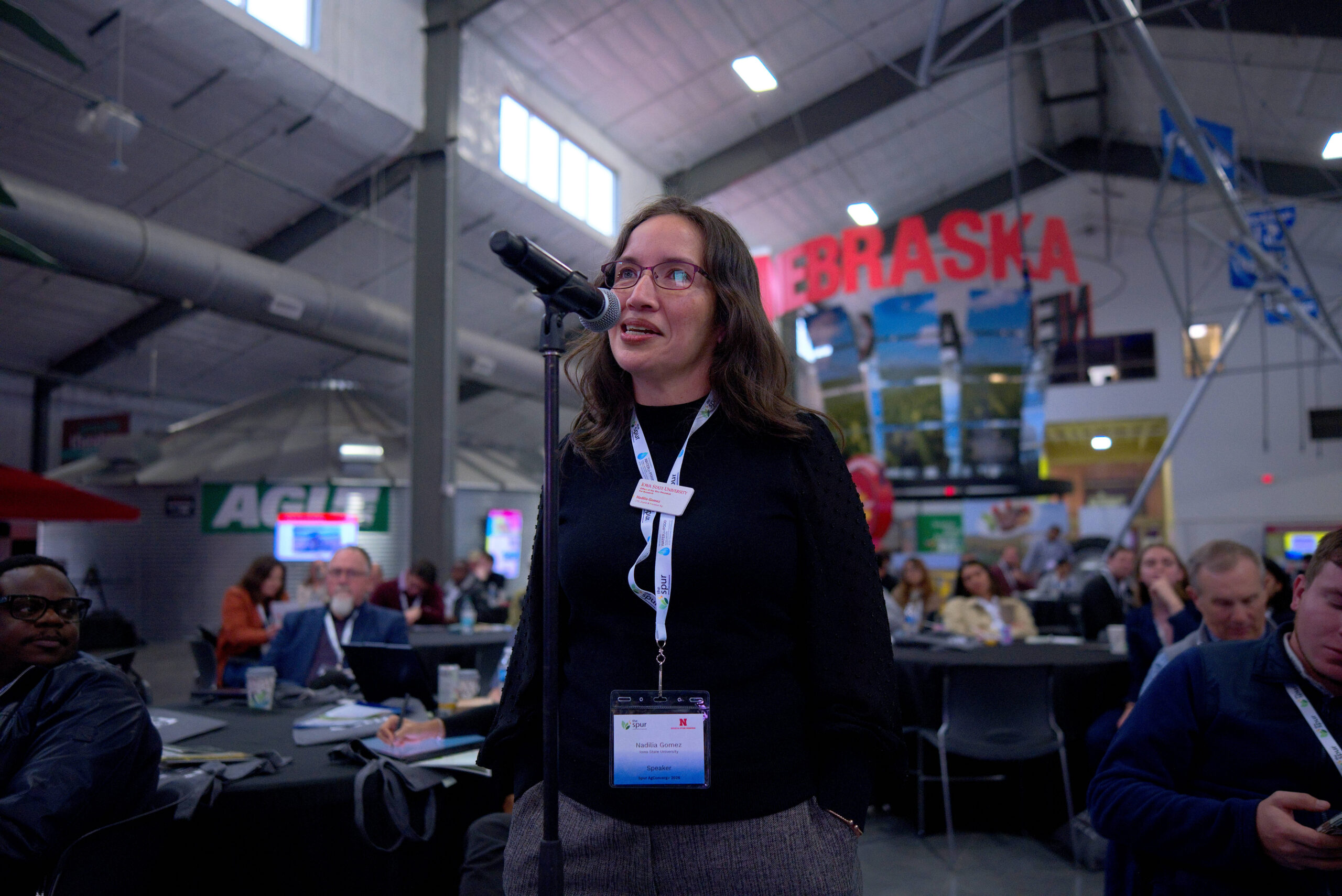
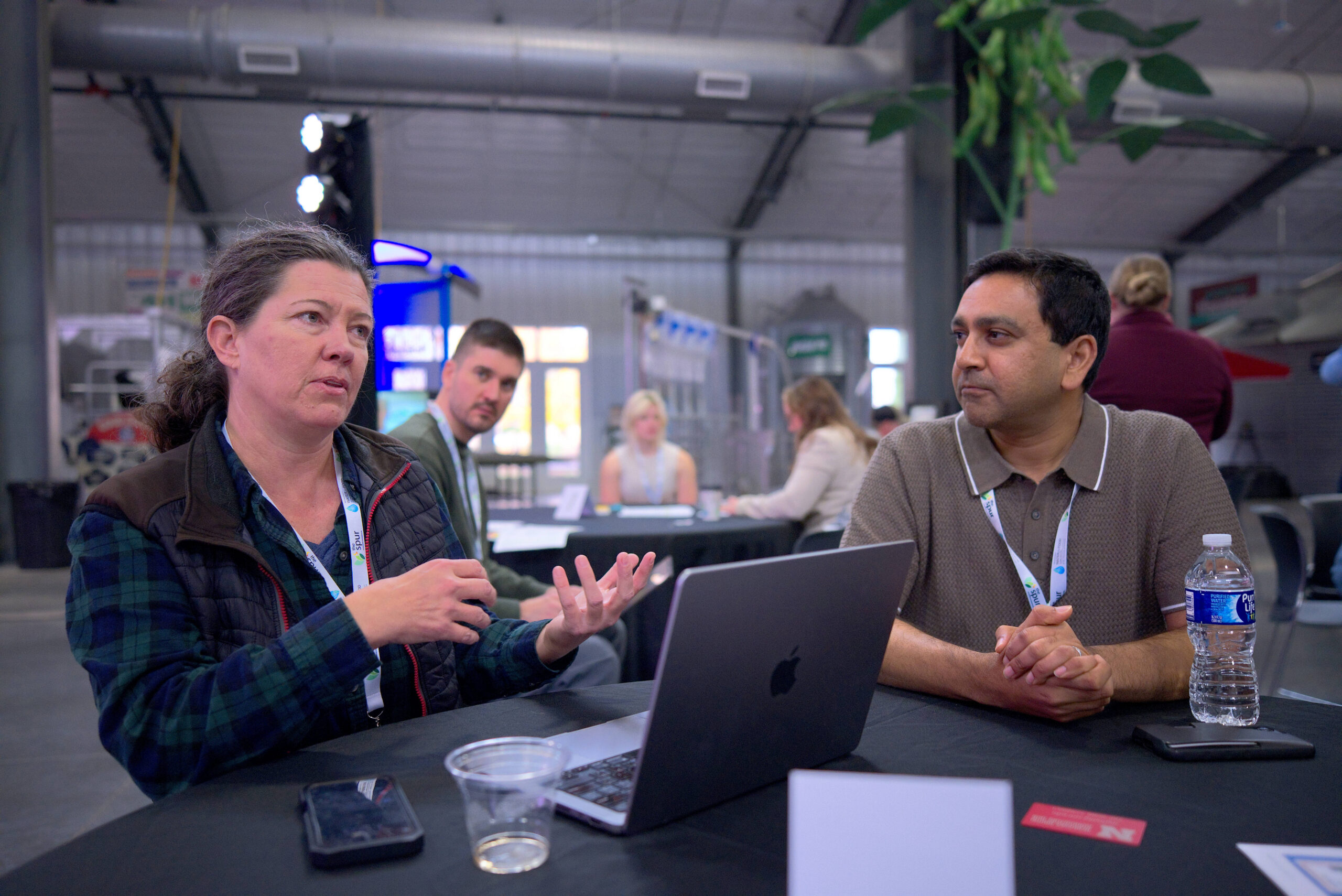
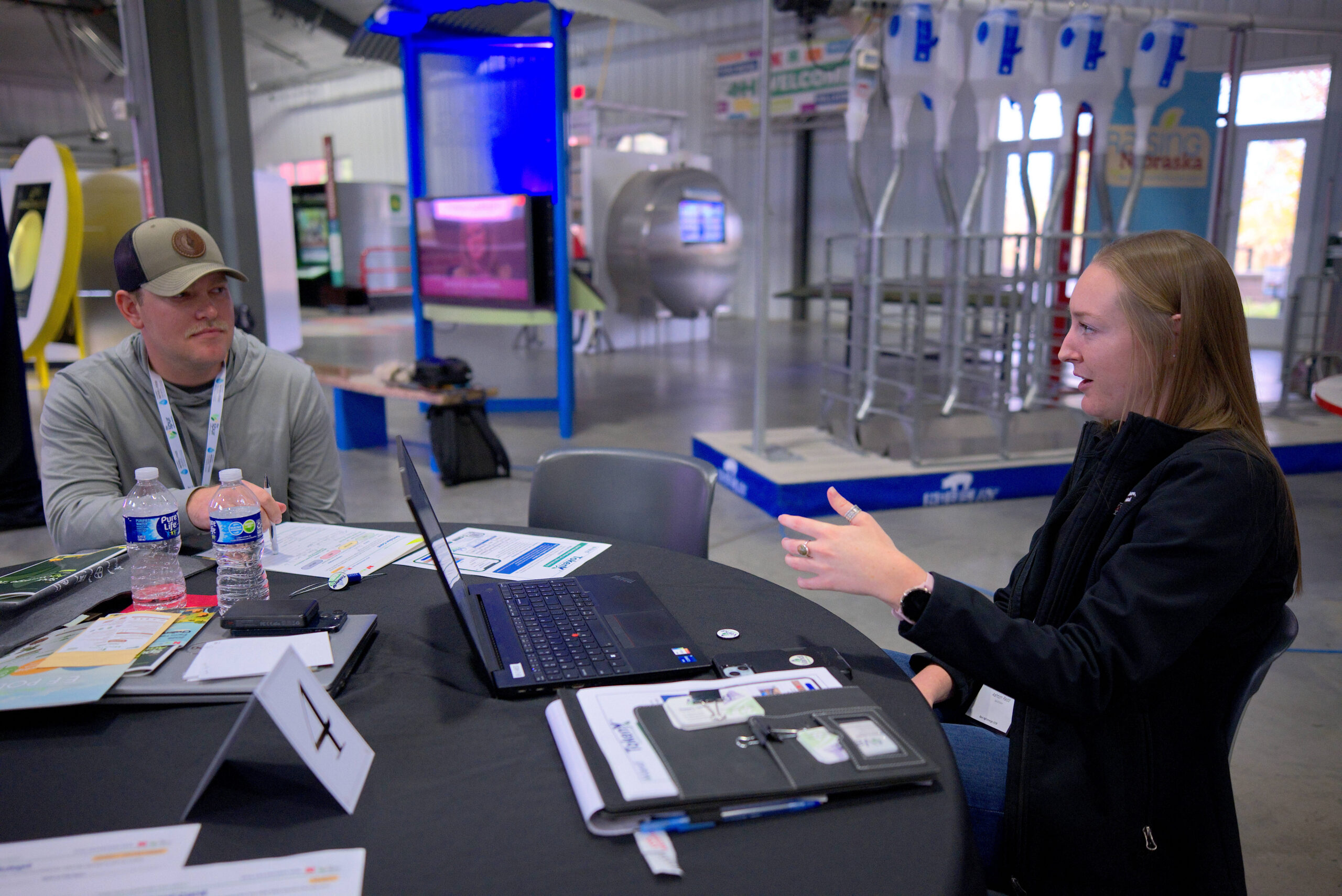
Another cornerstone of Spur Ventures: having startups hear directly from farmers about their products. And despite the positivity around new technology at the AgConverge, no startup escaped unscathed from honest feedback.
Farmers told startups that their products and pilot costs were too expensive. That their technology, while interesting, suffered from creating an abundance of data that farmers didn’t find useful. And farmers didn’t always have a clear case for why they should choose a startup instead of other established platforms with similar functionality.


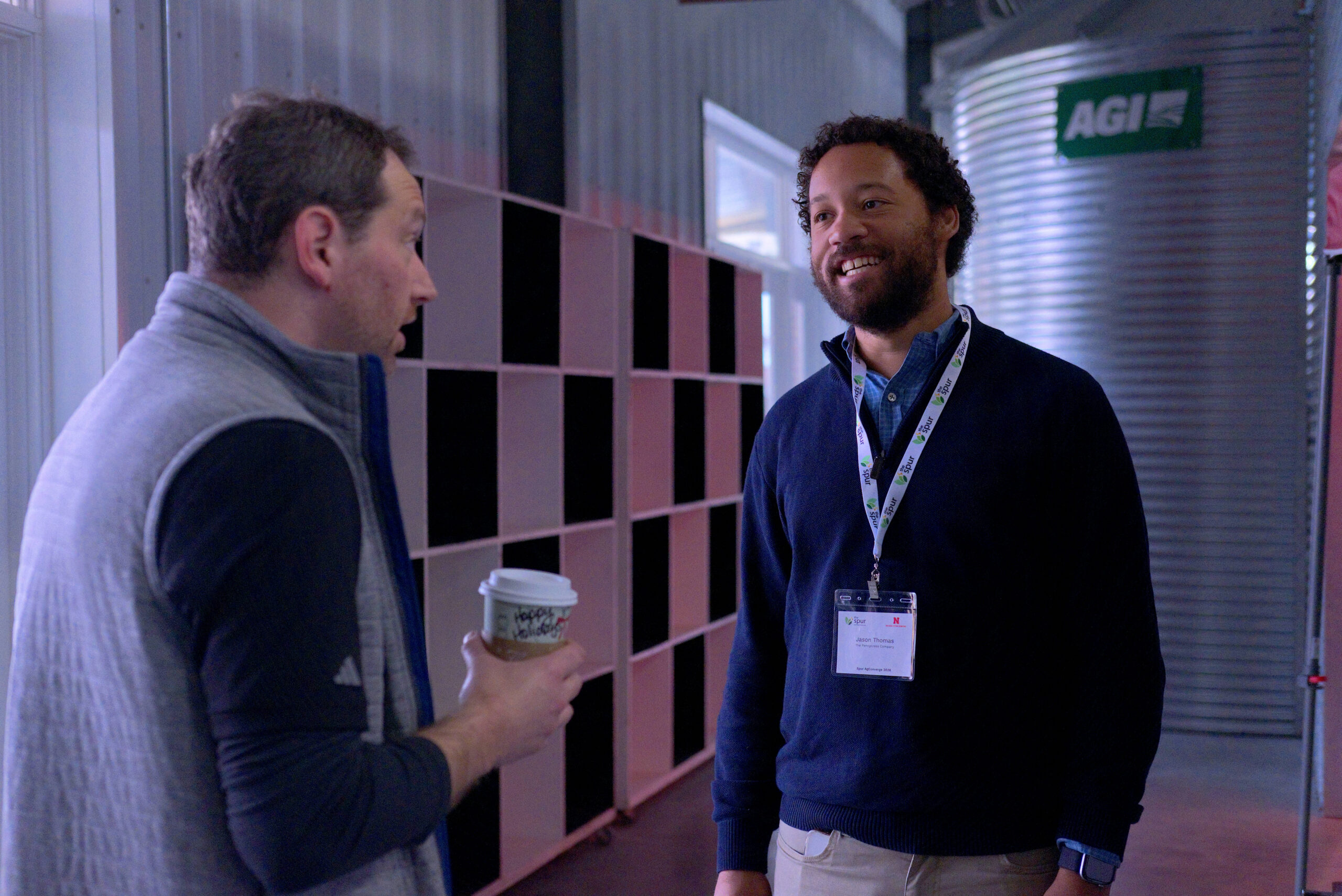
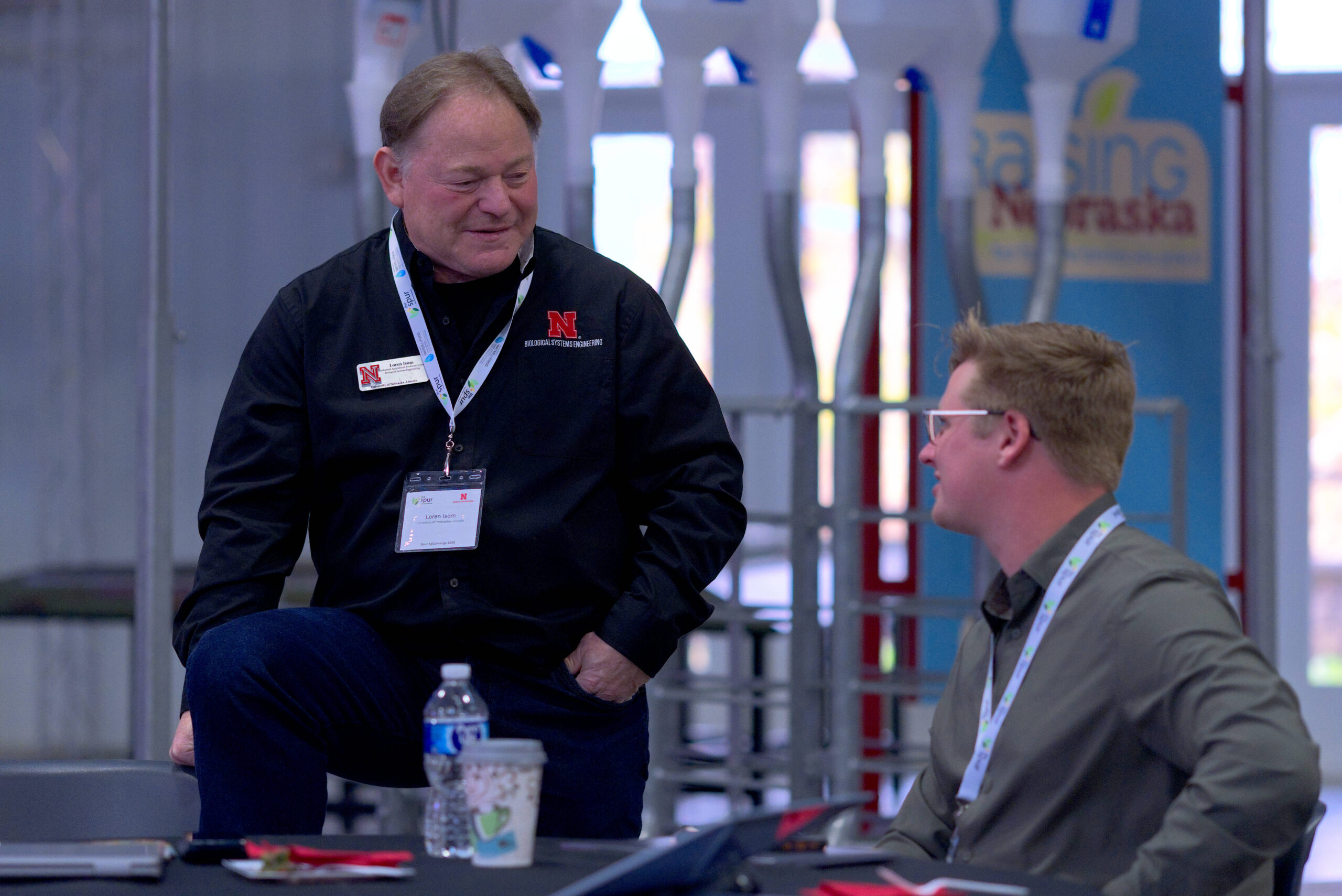
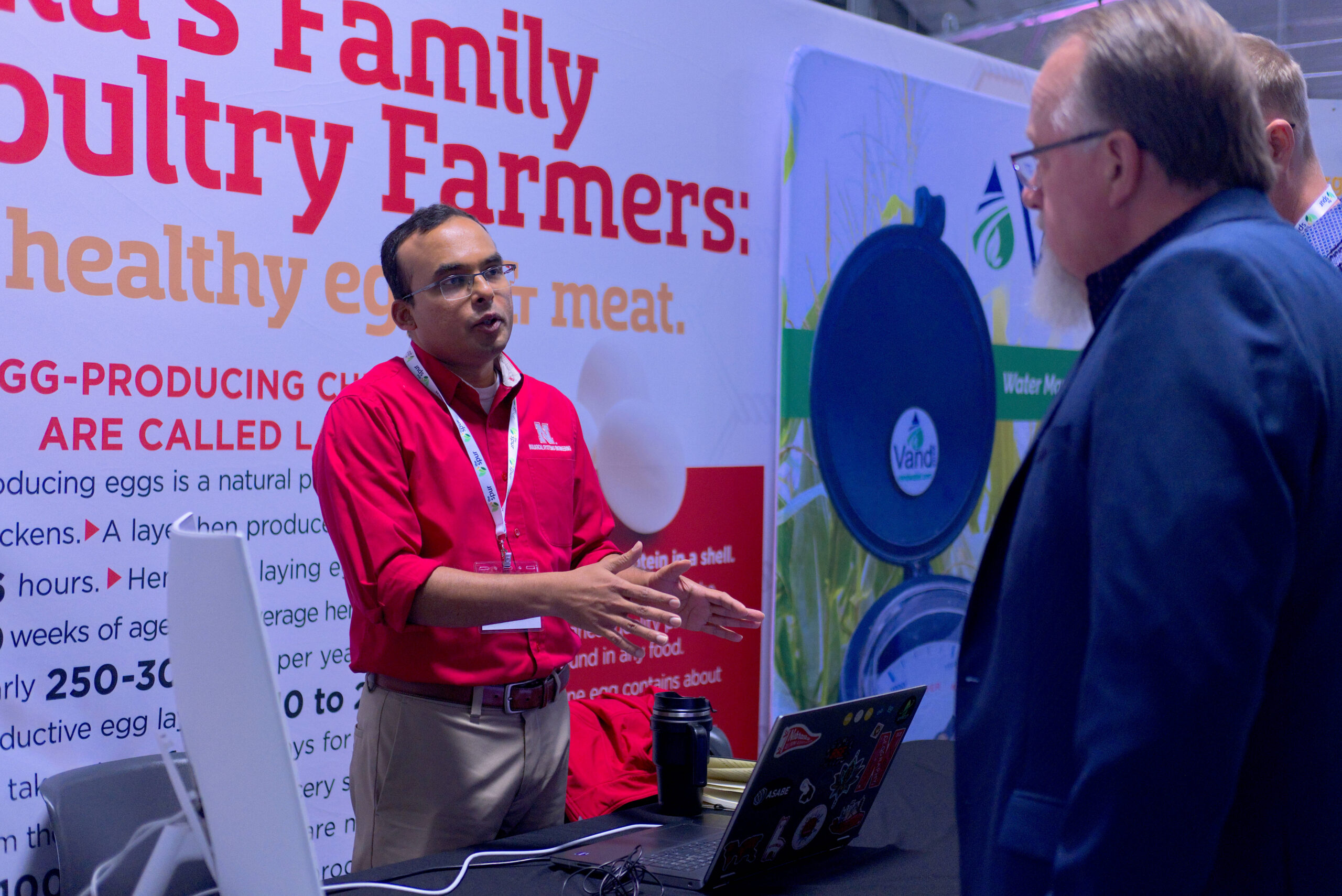
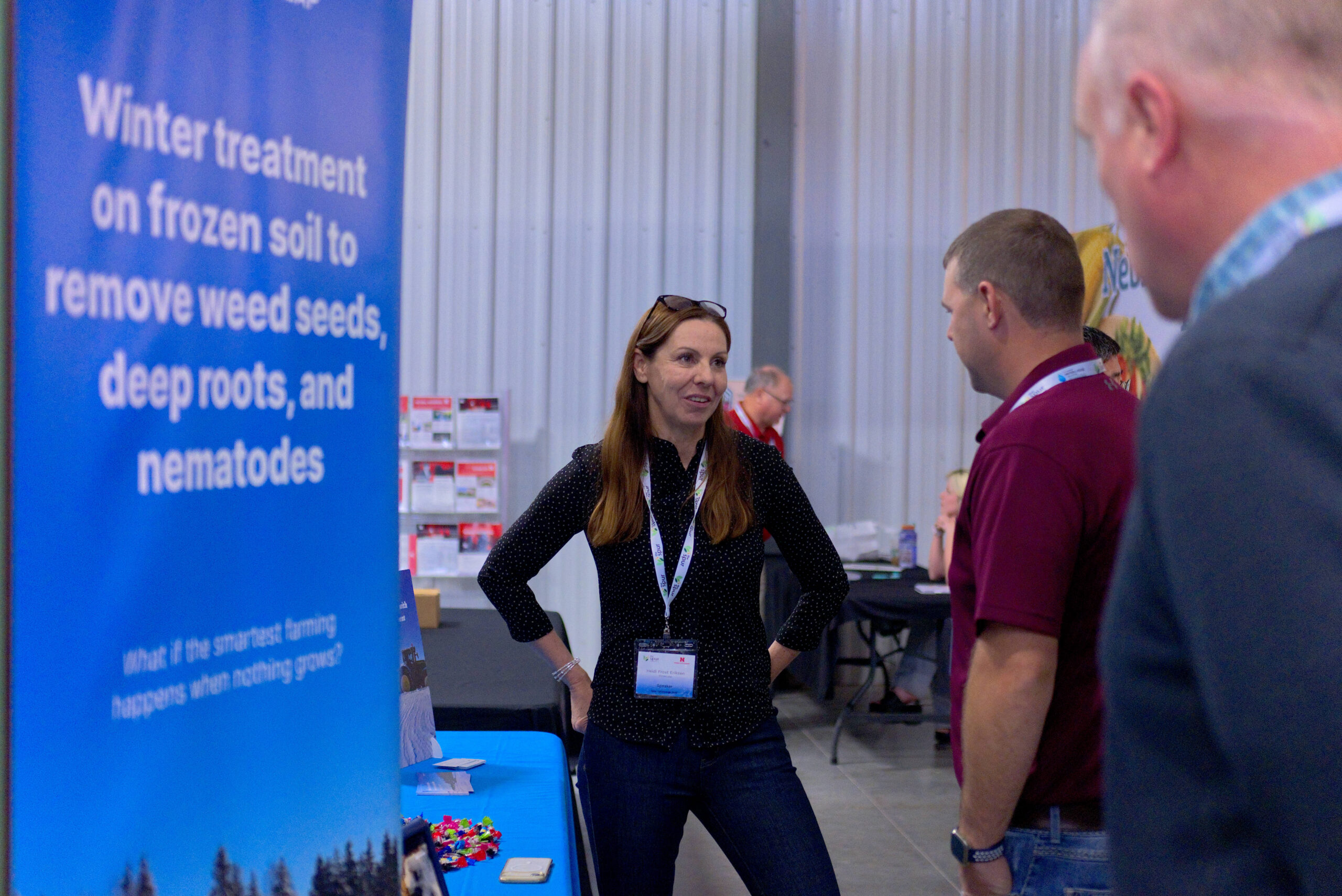







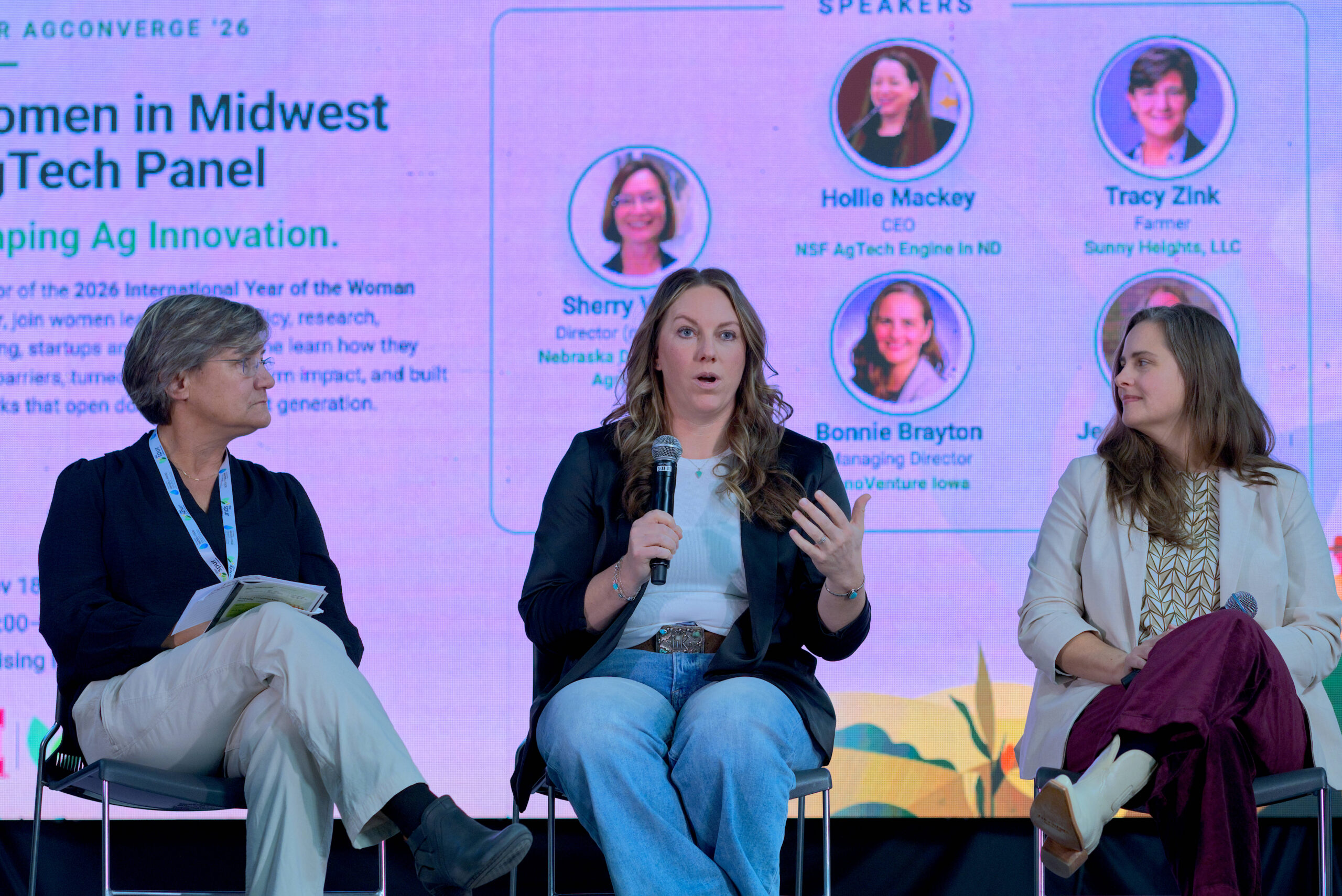
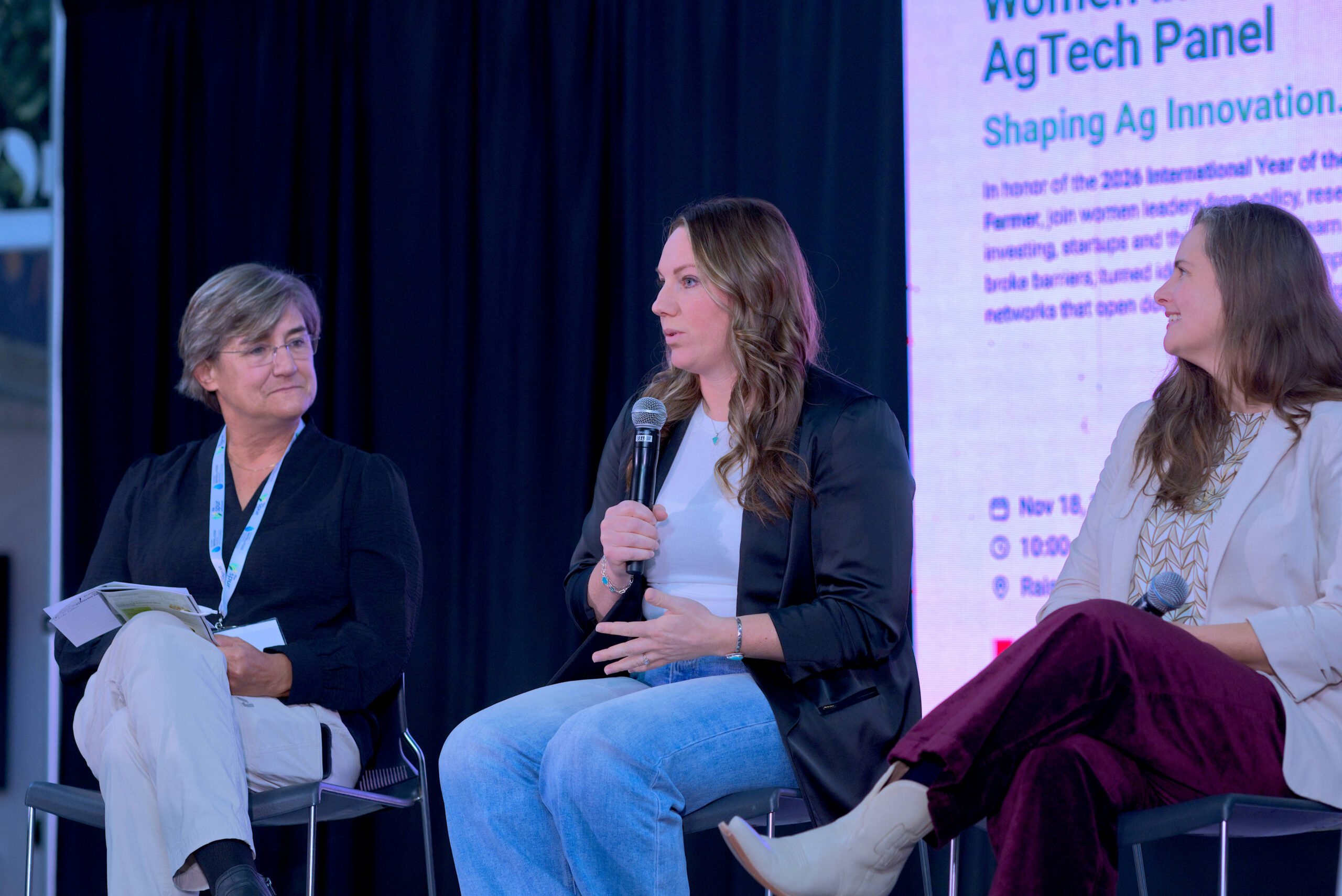

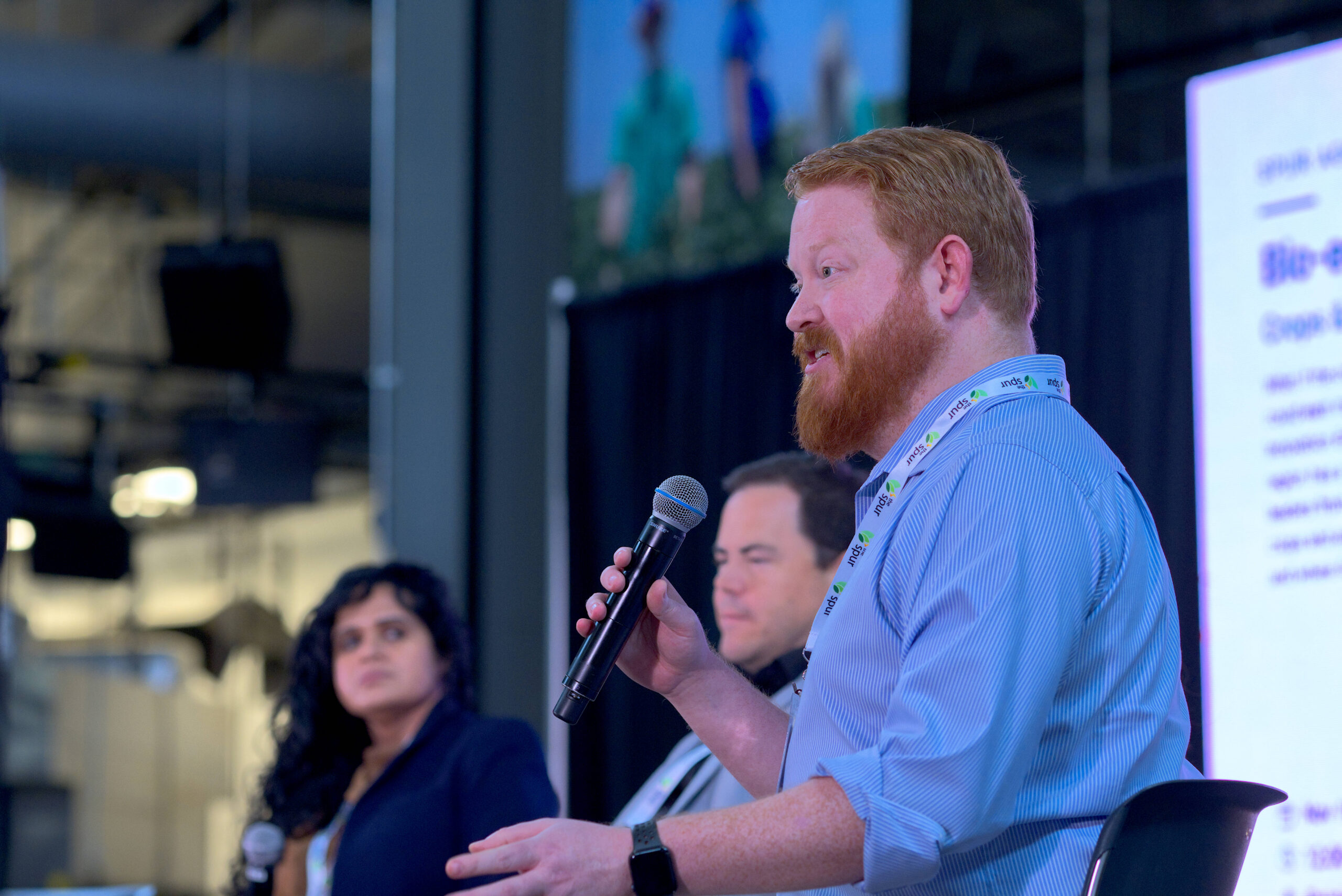
Here are five takeaways from the conversations farmers, startups, university staff and agtech funders had at the AgConverge.
Venture capital in agtech is a broken model
Venture Capital wants its companies to move fast and break things. But agriculture doesn’t move that fast — and breaking a pipeline of crops, livestock and animal feed can be disastrous both to farmers and to the national food supply.
“Producers have, in their lifetime, 40 annual (farming) cycles,” said Bonnie Brayton, the managing director at InnoVenture Iowa. “Compared to software engineering — you might do 40 cycles in a couple of years.”
As a result, farmers need new technology to be consistent, tested and shown to have a fast return on investment. “A lot of startups don’t understand the scale at which they need to bring value back to their farmers after those producers pay them,” Brayton said.
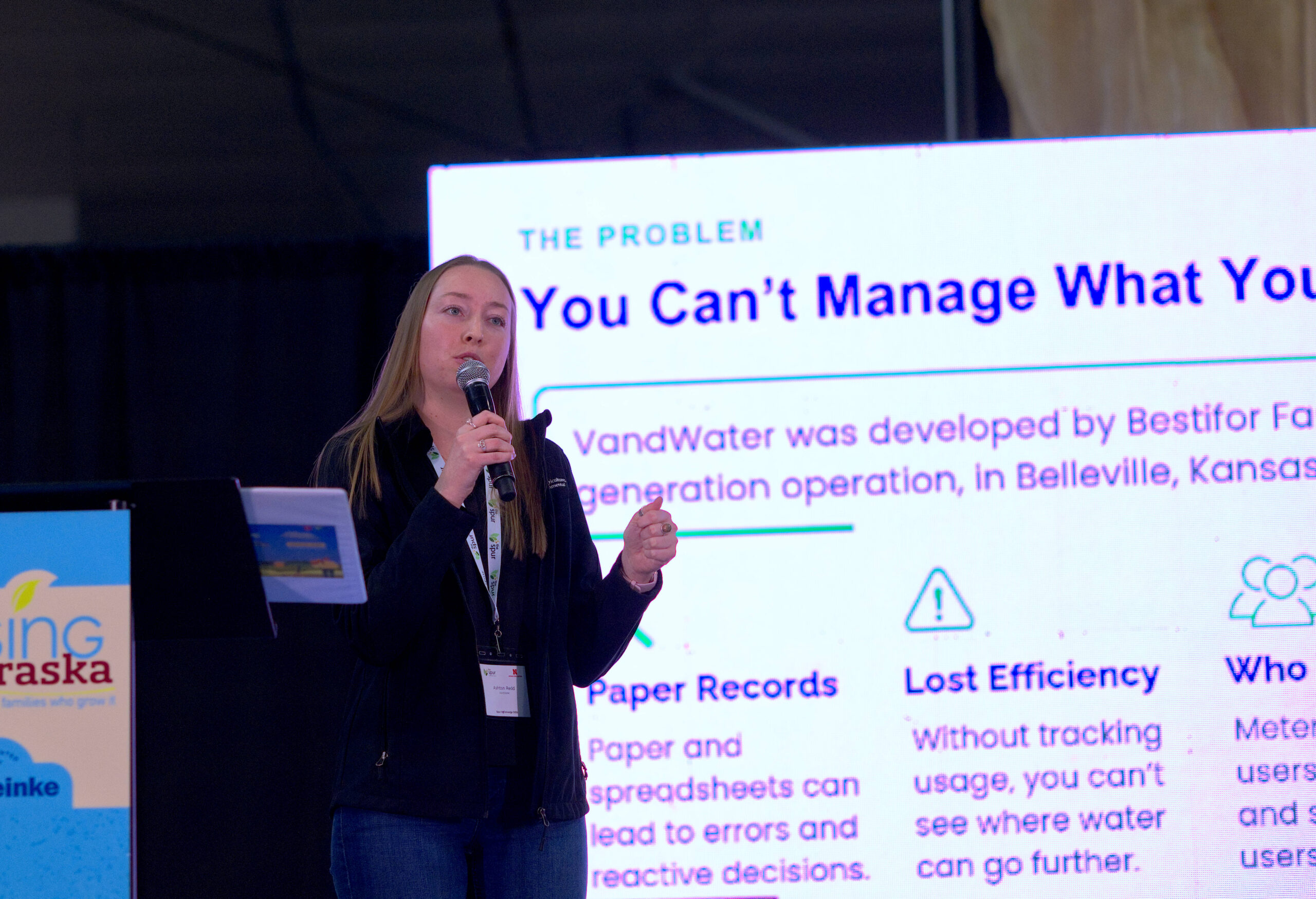
Jessi Korinek, CEO of Nebraska startup Nave Analytics, pushed back. Startups are pushed to sell their products quickly to survive, even if that tech isn’t fully ready.
Farmers want to test new tech “for one, two, three years … before you pay for it,” she said. “But I as a startup can’t sustain that. I need to show revenue in that first couple of years” because of venture capital pressures.
That’s why Brayton wants there to be more non-dilutive, non-venture capital funding available to agtech. That can help clear the testing and deployment gap for startups before getting VC funding, instead of expecting agtech to work like software companies.
Farmers aren’t scared of tech. They’ve been burned too much
Tracy Zink, a farmer in southwest Nebraska, recently spent a week at a global sorghum conference.
“I was an alien, and I was quite famous because many of them had never spoken with a farmer,” Zink said. “And I walked away from there with the research studies and everything with not one thing I can implement at my farm.”
Agriculture is an industry rife with new technology, research and promises about everything from yield to crop health to reducing environmental impact. But Zink, who loves testing new technology, is clear-eyed about how little of that innovation actually helps farmers.
She has a shelf of products that “either changed names, all the numbers are disconnected, it didn’t work, I had no follow-up, (or) they didn’t support the product so I had no idea how to use it,” Zink said. “I don’t trust what the researcher or the new shiny object says.”
U.S. research and investment needs to serve farmers
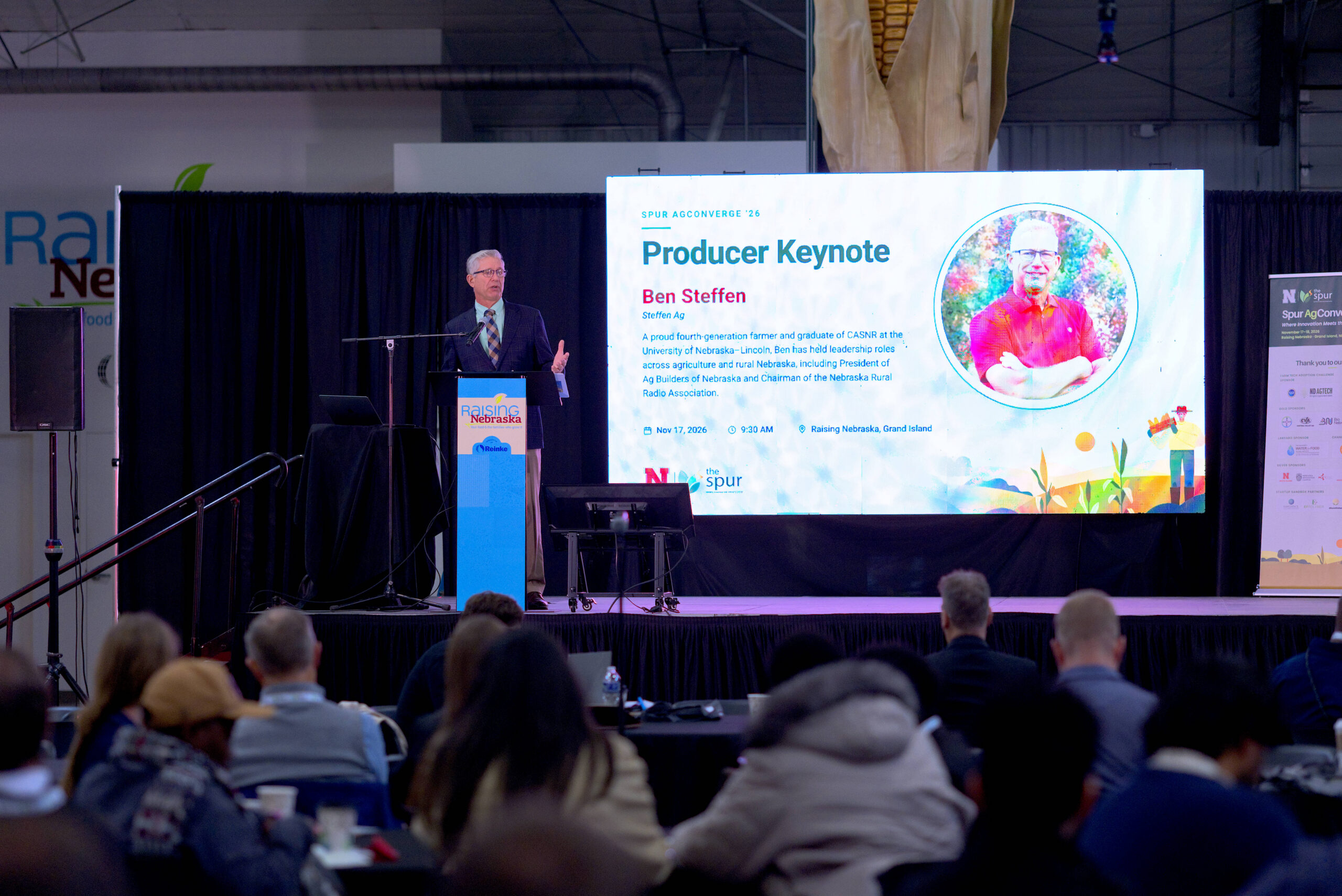
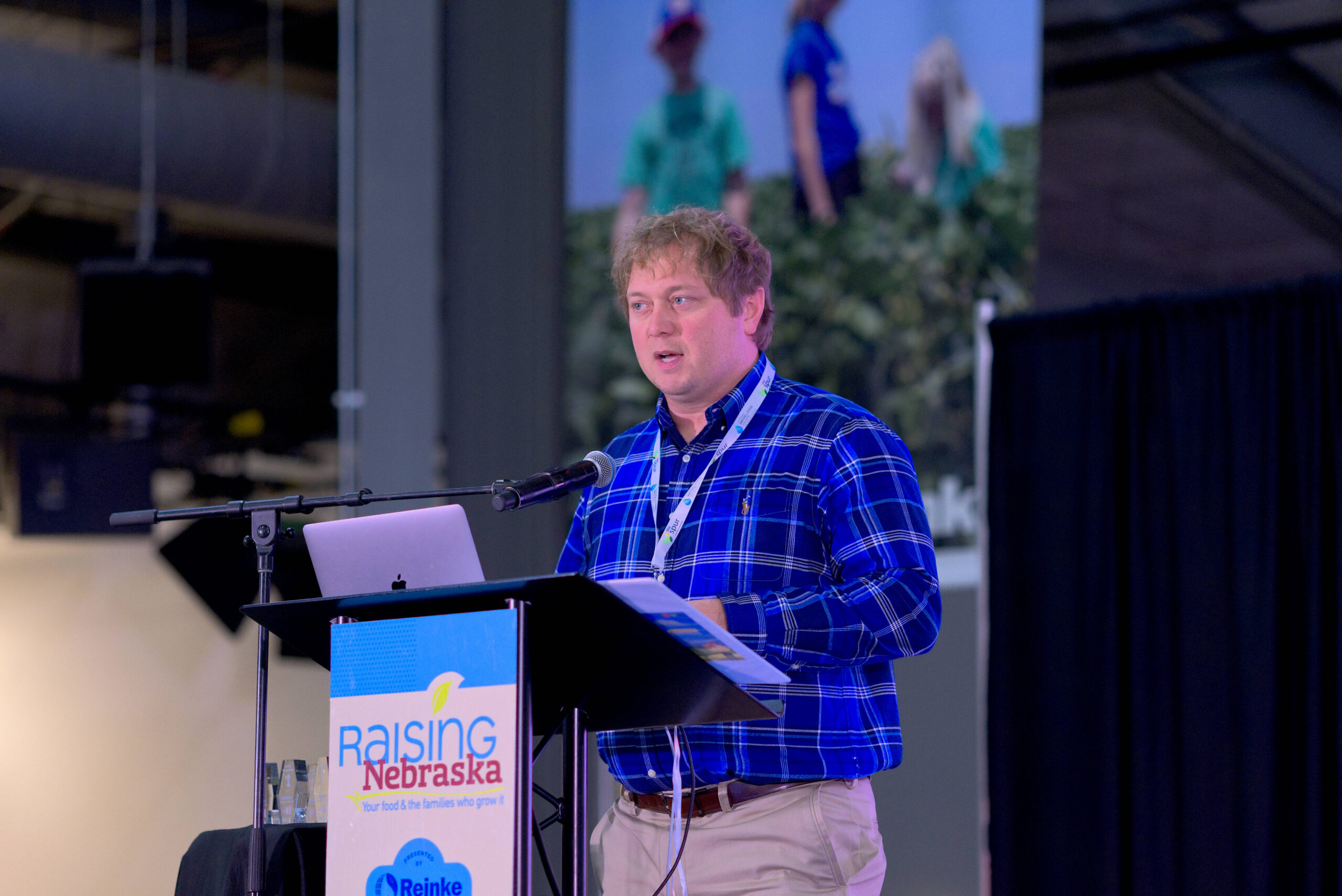
Ben Steffen, a Humboldt farmer and former lieutenant governor candidate in the 2026 elections, sees the U.S. at a crossroads for agriculture research and innovation.
“We led the world for decades … Today, our commitment to this work has faded,” he said. “We now trail China, South America and the EU in terms of our investment in agricultural research, extension and teaching.”
The lack of investment is bad for the U.S. food supply, health, economy, the environment and national security, Steffen said.
Farmers need to see a commitment to agriculture innovation from the U.S. and more in the way of “verified, science-based, repeatable results.”
Tech now infuses agriculture, but that has led to a variety of issues, like data compatibility issues across different equipment and companies.
“All of this comes with ever increasing costs and investment from producers, with little to no third-party analysis or verification,” Steffen said. “There has been an astounding amount of wealth that has been extracted or derived from the ag sector in the last 30 years. But we have to ask ourselves whether producers, farmers and ranchers are participating in that as well.”
Nebraska agtech needs its land-grant university to be strong
Steffen outlined how 100 years of agriculture innovation has benefited his family while creating prosperity and knowledge for Nebraskans. He credits much of that work to the University of Nebraska-Lincoln, the state’s land-grant university.
He advocated for more university support, such as state funding. But in return, UNL also needs to be responsive to the needs of Nebraskans.
The university needs to make sure students are well-trained in science and technical skills that can benefit agriculture and other state industries. But “I also want a university that will empower our students with inspiration,” Steffen said.
“We need innovators, graduates and tech entrepreneurs who also appreciate history, the arts, philosophy and much, much more,” he said. Nebraska’s future, and that of the agriculture industry, will depend on it.
“If we lack those dimensions of education and perspective, we will end up with some pretty weird and unpopular results,” Steffen said. “Look no further than the current crop of some of the richest tech leaders in the world, apparently motivated by the acquisition of wealth and a weird indifference to any consequences for humanity.”
Institutions are built on people, which means they are not perfect
A shared message throughout the conference was for universities, startups and industry leaders to work together on advancing new innovations and talent. However, this is easier said than done, as panelists voiced experiences of difficult-to-navigate college bureaucracies and differing goals between research and business.
While failing as a startup founder can be a rite of passage, failing as an academic can damage a career. Entrepreneurs want to move fast and learn quickly. Researchers tend to want to move slowly and test every potential weakness in their ideas before presenting them.
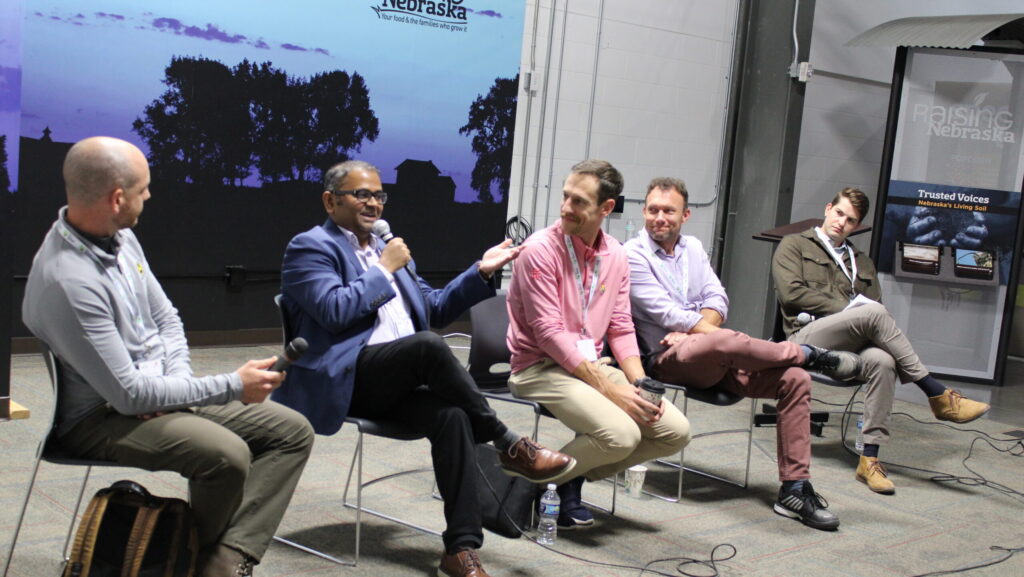
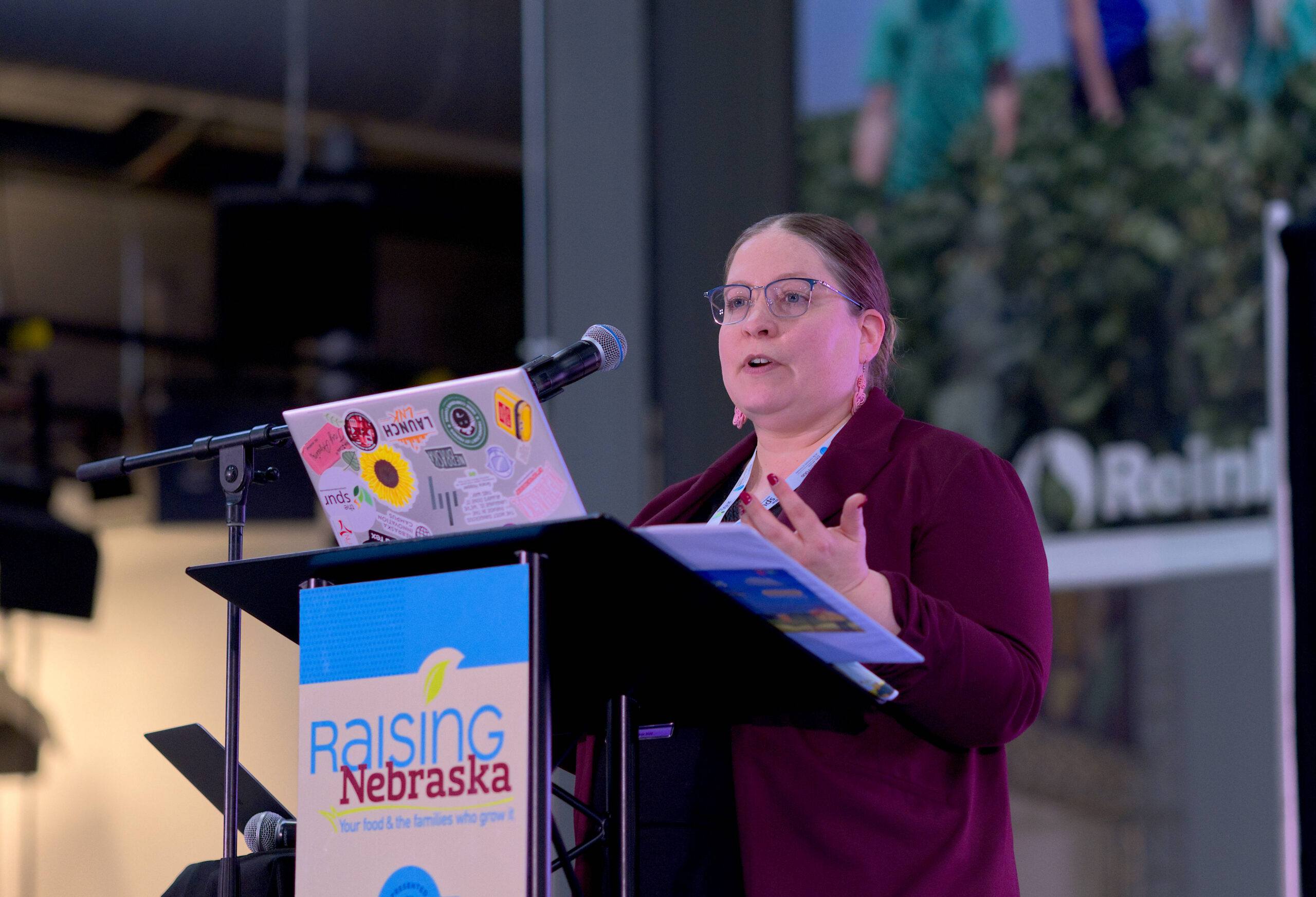
During the “Industry x Academia Panel,” Nebraska leaders, such as Santosh Pitla of UNL and Ben Williamson of Grit Road Partners, shared the need for all ag industry stakeholders to make it more obvious on how to engage in conversation with each other. This could be government initiatives such as the Business Innovation Act, conferences such as Spur AgConverge or simply a unified plan or department that can direct potential partners to who they need to talk to.
You can learn more about Spur Ventures out of UNL here.


Leave a Reply